
Protecting Play: Pushing Back on the Pushdown
“Play is often talked about as if it were a relief from serious learning. But for children, play is serious learning. Play is really the work of childhood.” -Fred Rogers
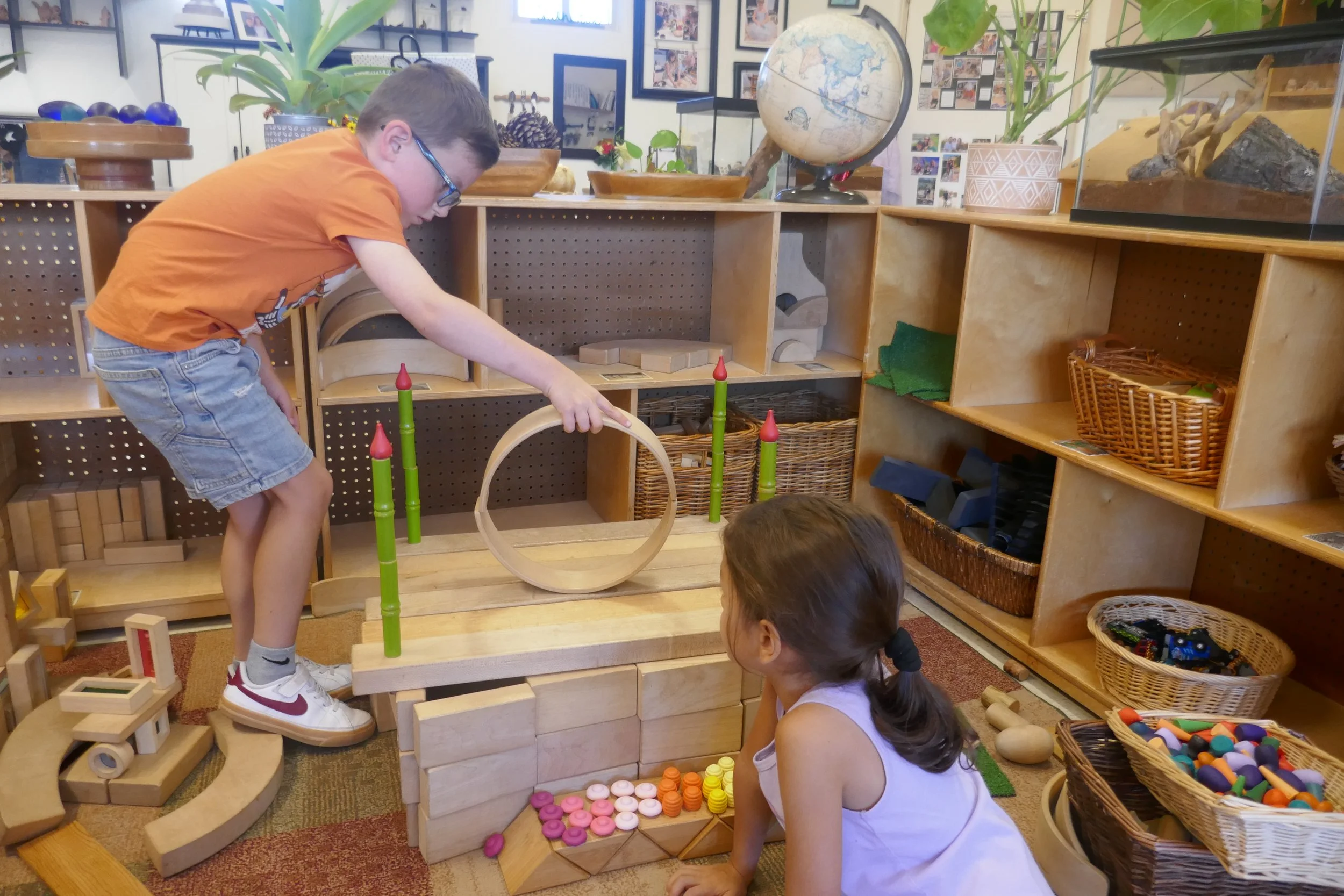
School expectations have shifted significantly over the last few decades, with a push for formal academics. This looks like children spending more time in teacher-directed, formal instruction, where they are expected to sit still and listen while learning through worksheets, flashcards, or tablets, rather than in the multisensory, hands-on world around them.
Kindergarten was originally an introduction to more formalized schooling, which begins around age 6. This number was not selected arbitrarily; it is based on child development! Prior to age 6, children operate primarily from their limbic system, the brain's emotional center, making a strong social-emotional curriculum most appropriate for ages 2-5 years. As more school funding has been tied to standardized test scores, there has been an increase in concerns about children’s school readiness or falling behind, resulting in less time for children to play. And the pushdown does not stop at Kindergarten or even Pre-K. Programs for toddlers and preschoolers are impacted by the rush for school readiness, too. This pushdown is not the result of changes to what children actually need to be successful. Rather, the metric is externally driven by standardized measures that are easy to control and evaluate. Research is clear on this: longitudinal studies have followed children from both highly academic and play-based preschools through school, finding that pushing academics earlier leads only to short-term repetition and can be detrimental to long-term academic achievement.
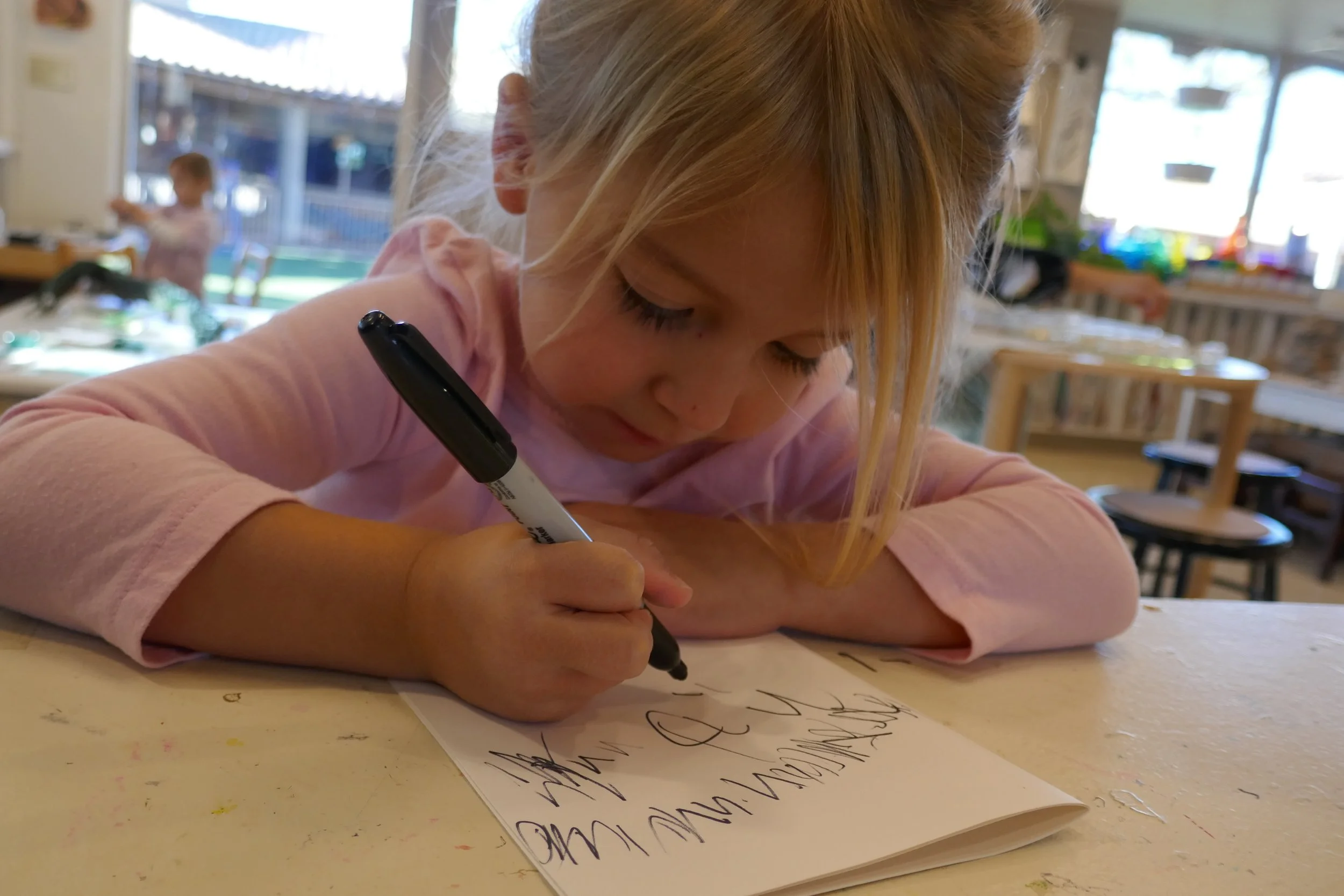
Brains develop from the bottom to the top, meaning the limbic system comes online before the prefrontal cortex. Supporting this development facilitates emotional regulation, social connection, learning, and memory. The limbic system fosters dispositions in early childhood, which shape a child’s approach to learning, influencing attitudes such as attention span, confidence, empathy, collaboration, persistence, curiosity, problem-solving, resilience, and creativity. These essential dispositions are forged in play! This looks like children who are intrinsically motivated to work through challenges, given time to build elaborate play ideas, and opportunities to revisit or repeat work they find interesting.
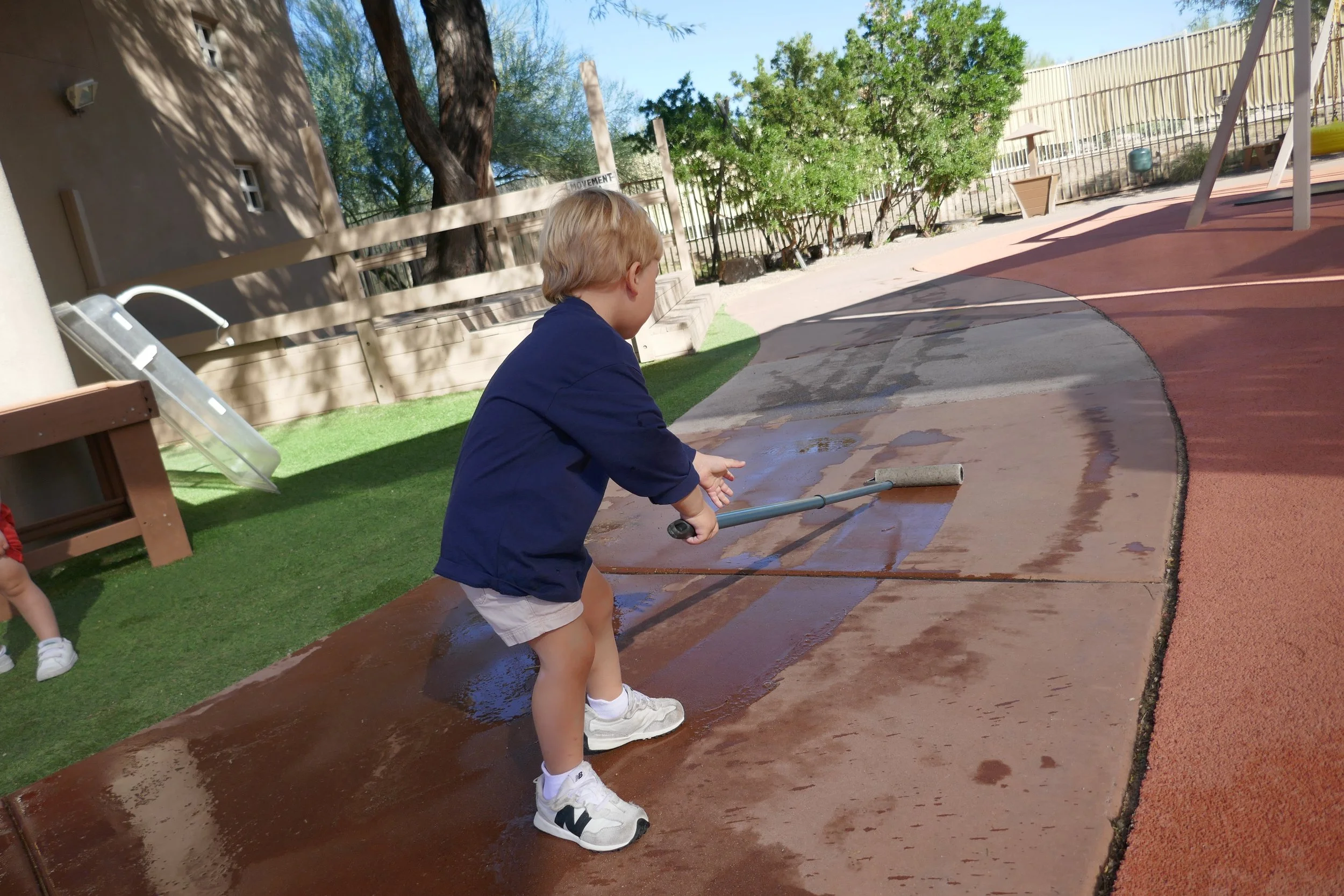
Bodies develop from the core outward. Movement is essential! Trunk strength, stability, and control develop before fine motor skills in the hands and feet. A strong core supports good posture, coordination, and focus. It also prepares children for smaller muscle skills, such as handwriting and cutting with scissors. Children need to run, jump, balance, swing, stretch, and crawl - not just for twenty minutes at recess as a break, but as a part of the curriculum. These muscles are developed as children paint with water and long rollers, build with oversized hollow blocks, and dance around with butterfly wings on their backs.
Brains develop from the bottom to the top. Bodies develop from the core outward. We cannot value children’s current development while rushing them to the next stage. In the race to teach children what is easy to measure, we prioritize rote memorization over long-lasting construction of knowledge. When we overemphasize the prefrontal cortex, we undermine the foundation necessary for long-term academic success. Pushing academics down results in more teacher-directed, formal instruction, where young children are expected to sit still and listen - the exact opposite of how children learn and what children actually need to prepare for academic success. It’s also factors into the rise of attention and behavior problems among young children, especially boys.
Children learn through play - but not all play is equal. Next month’s blog will explore the types of play most beneficial for children’s development - and it’s NOT what you’re seeing on social media right now!
The Supporting Parents series is also tackling the topic of play in the final workshop for the school year. Nurturing Intelligence: Why Play is Essential for Learning will be held on Wednesday, April 22nd, and provides parents with practical ways to support children’s play and development. It’s a perfectly timed, must-have guide as we head into the summer months! Join us for the morning session at 9:15 AM or in the evening at 6 PM for this free, one-hour session open to the community. Please RSVP at the school office.