Serving and Learning
Wednesday, July 8, 2026
written by Kate Satterstrom
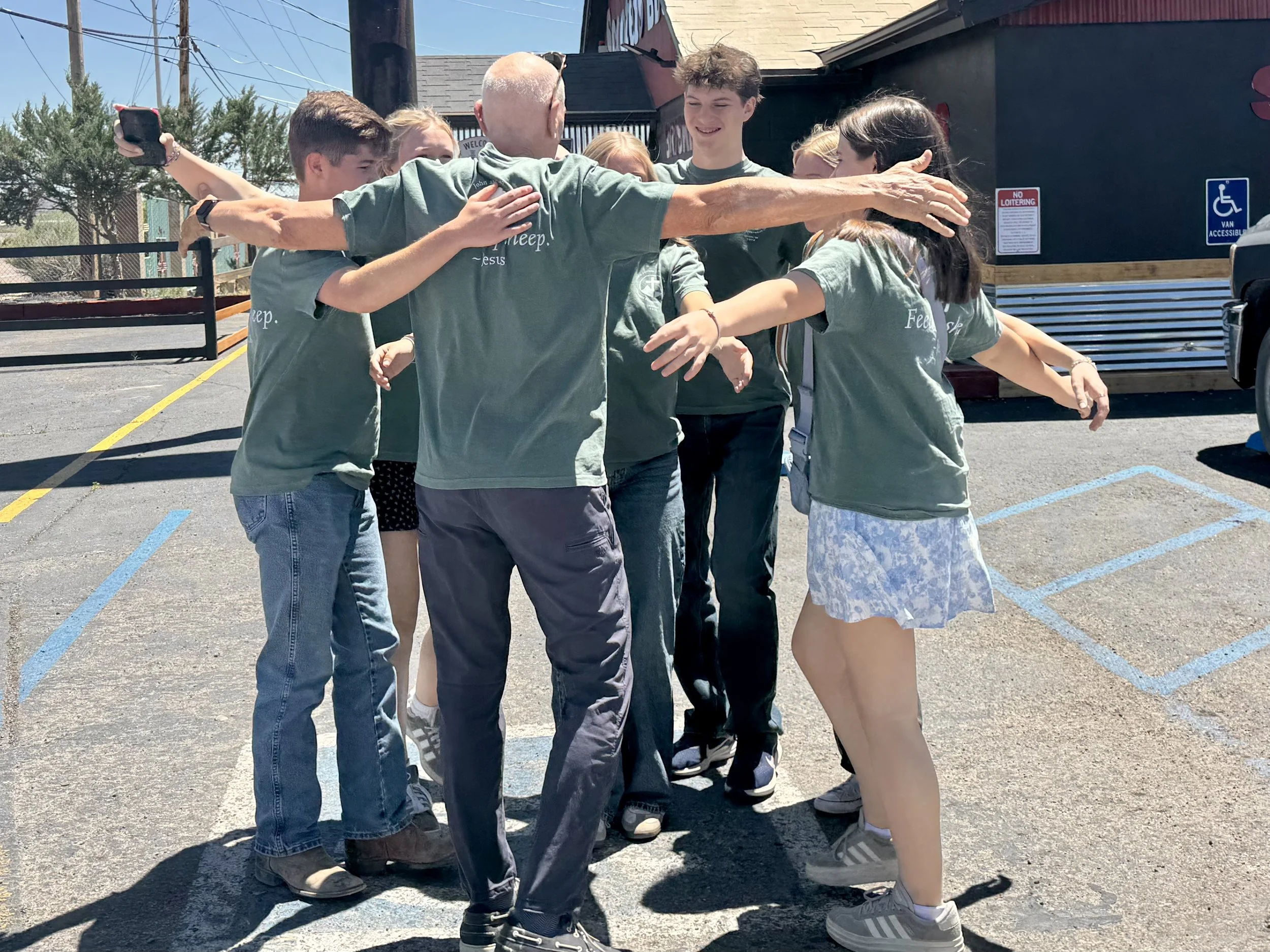
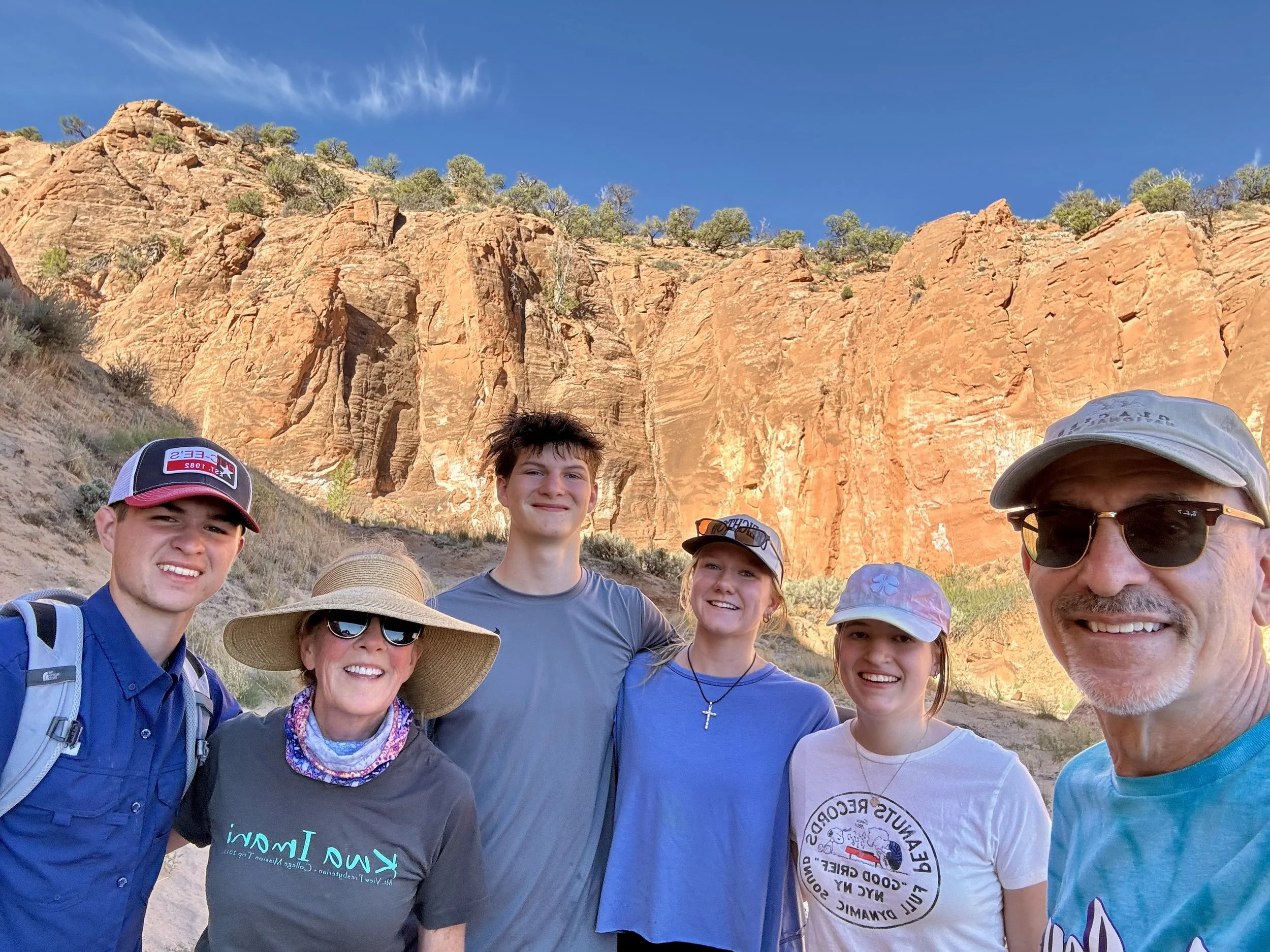
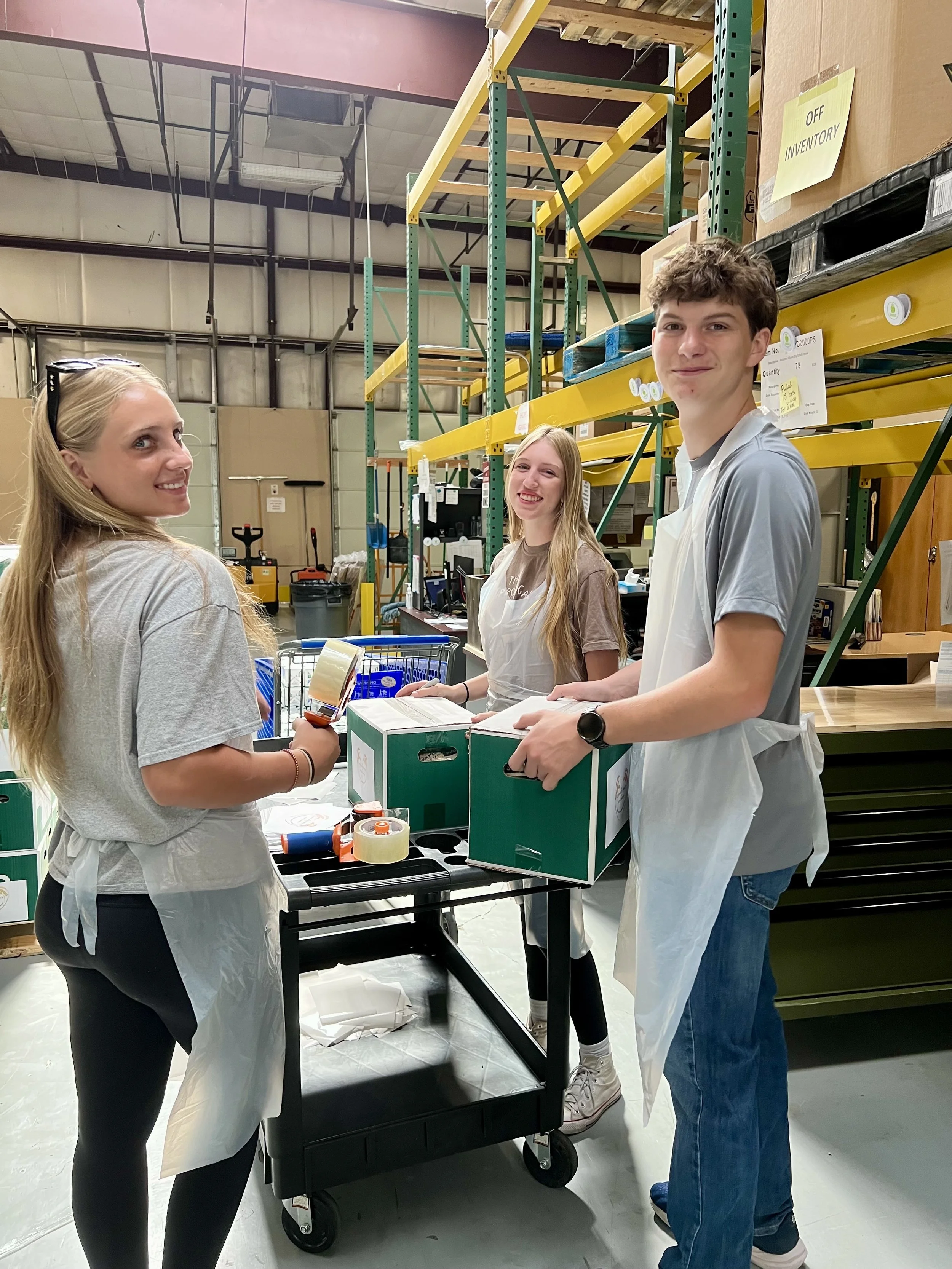
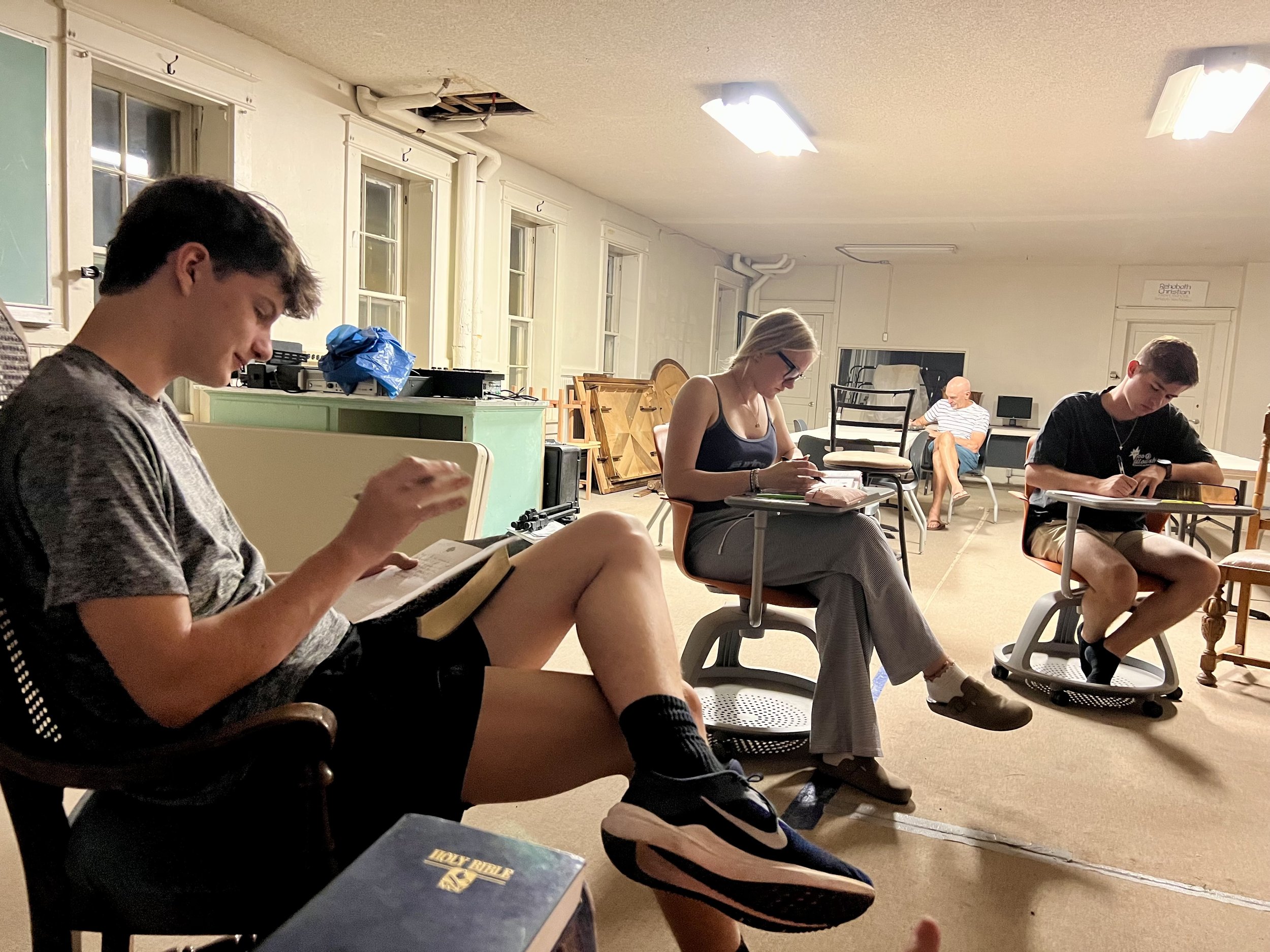
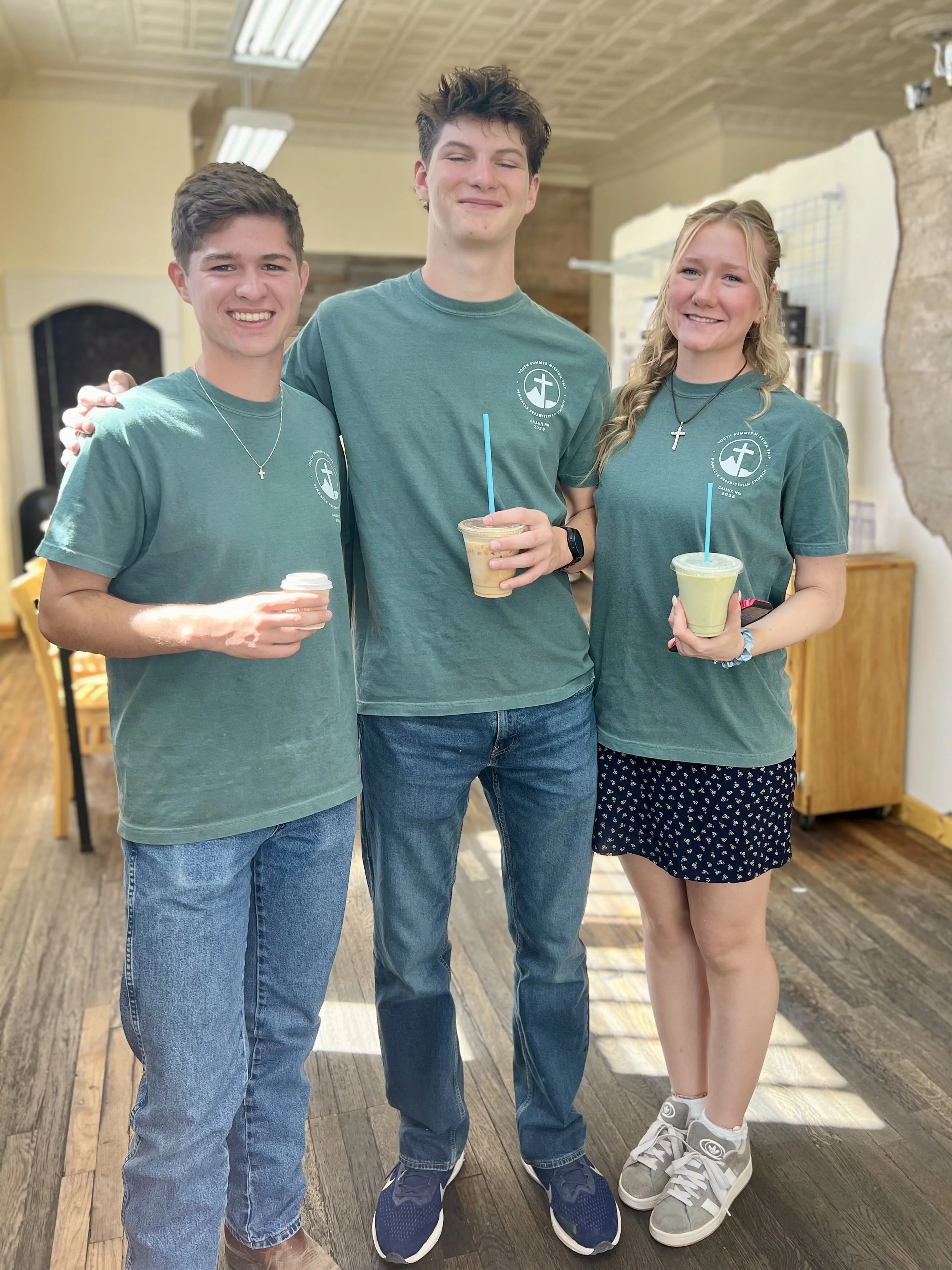
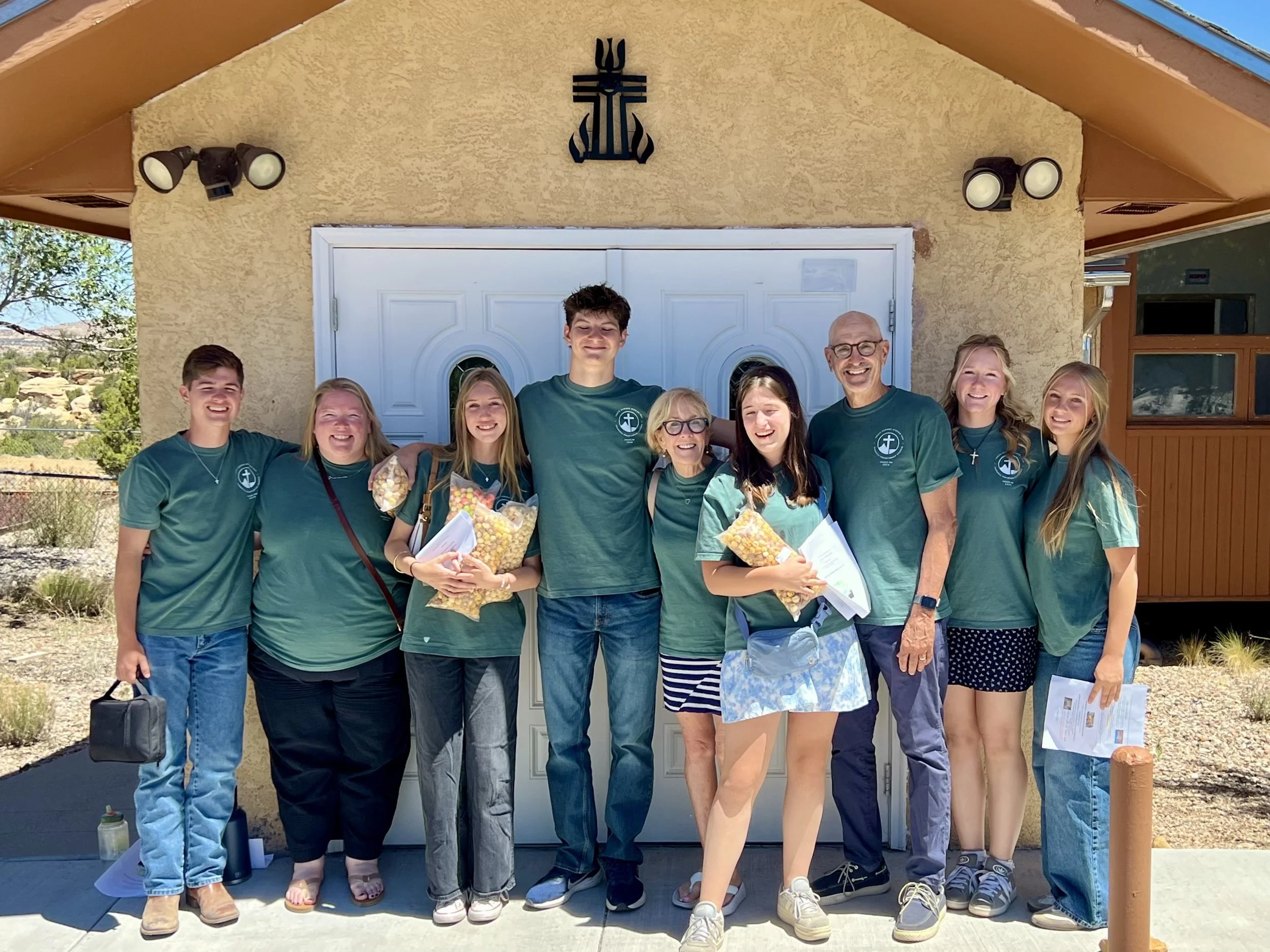
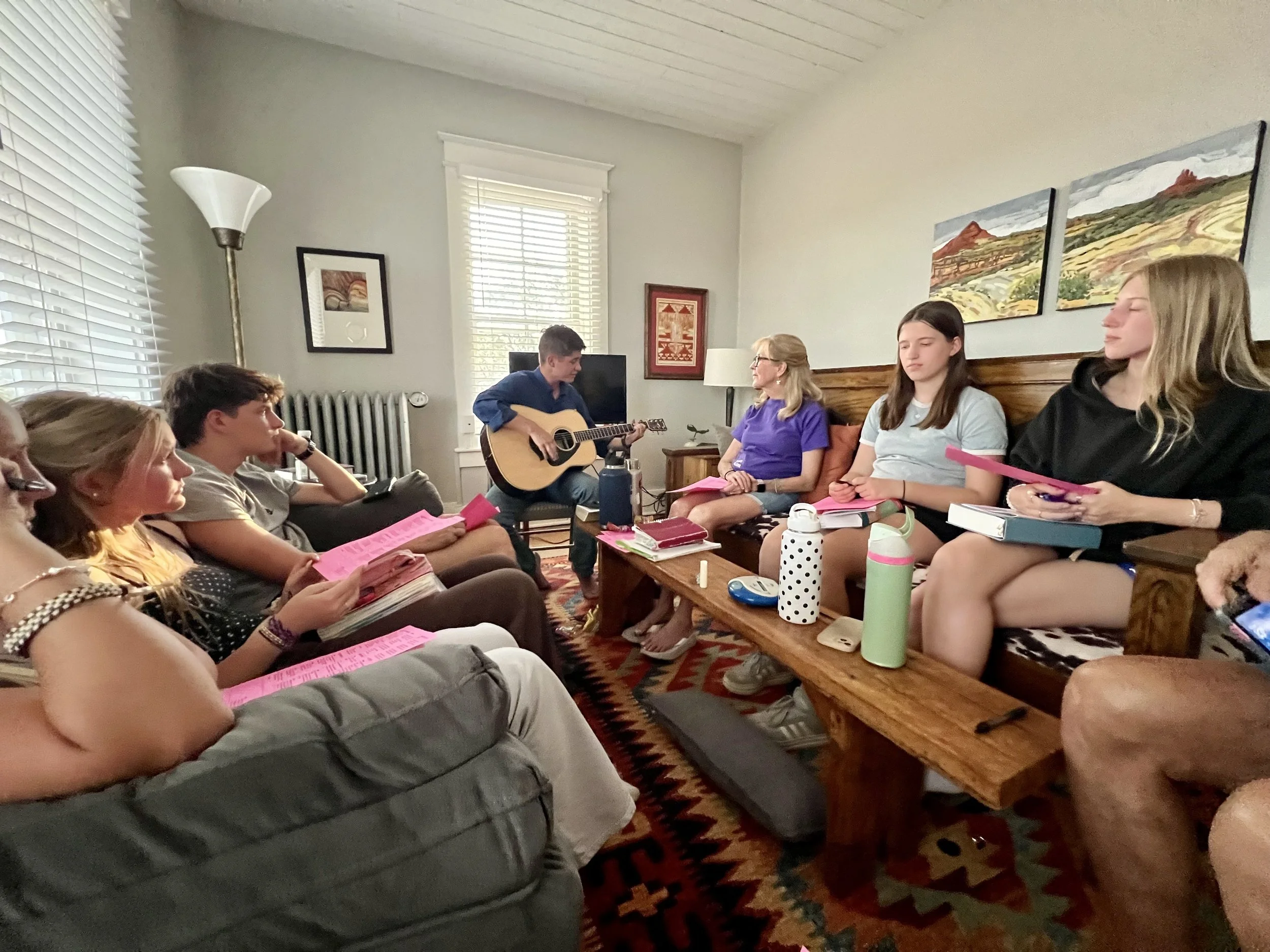
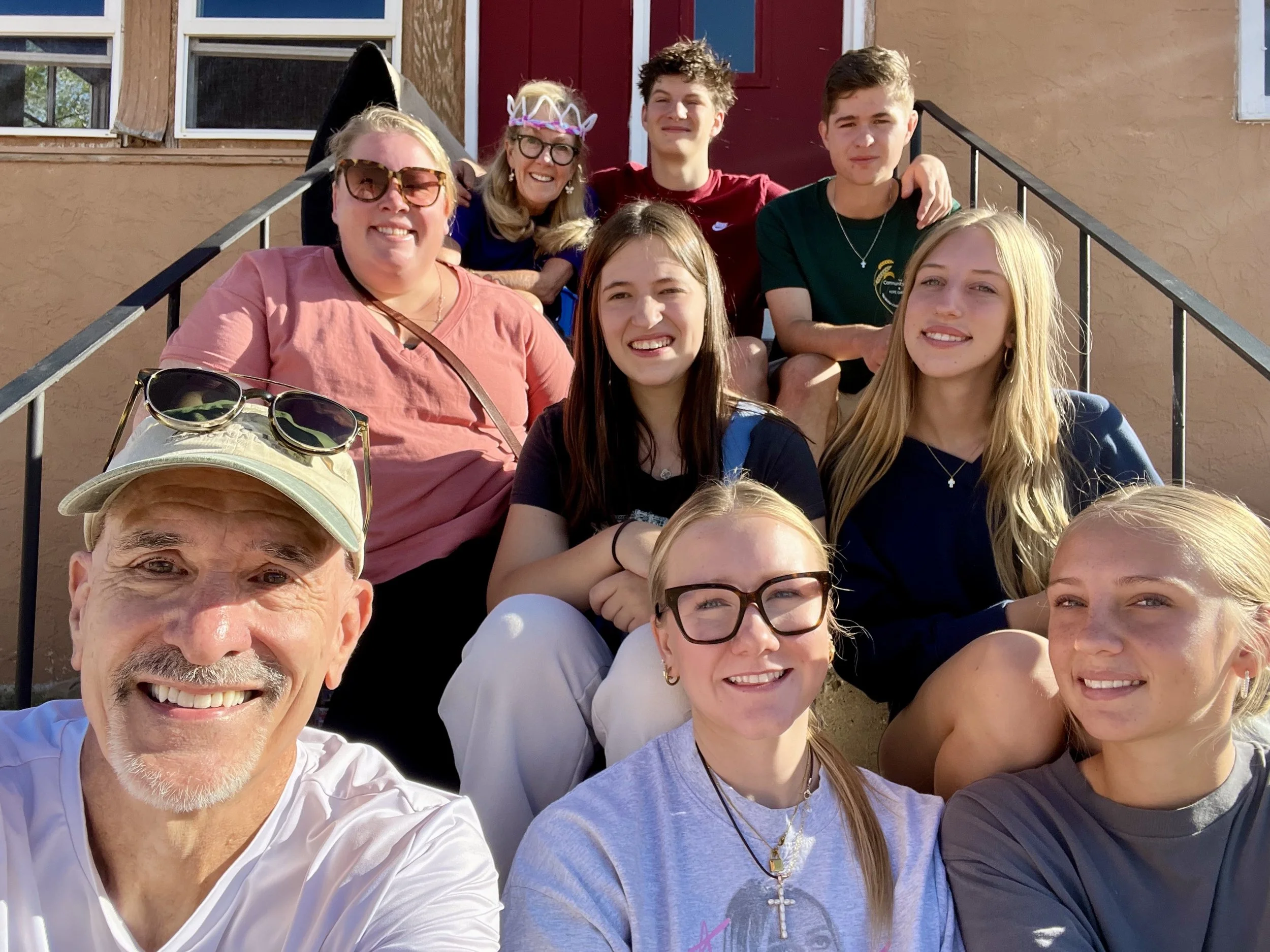
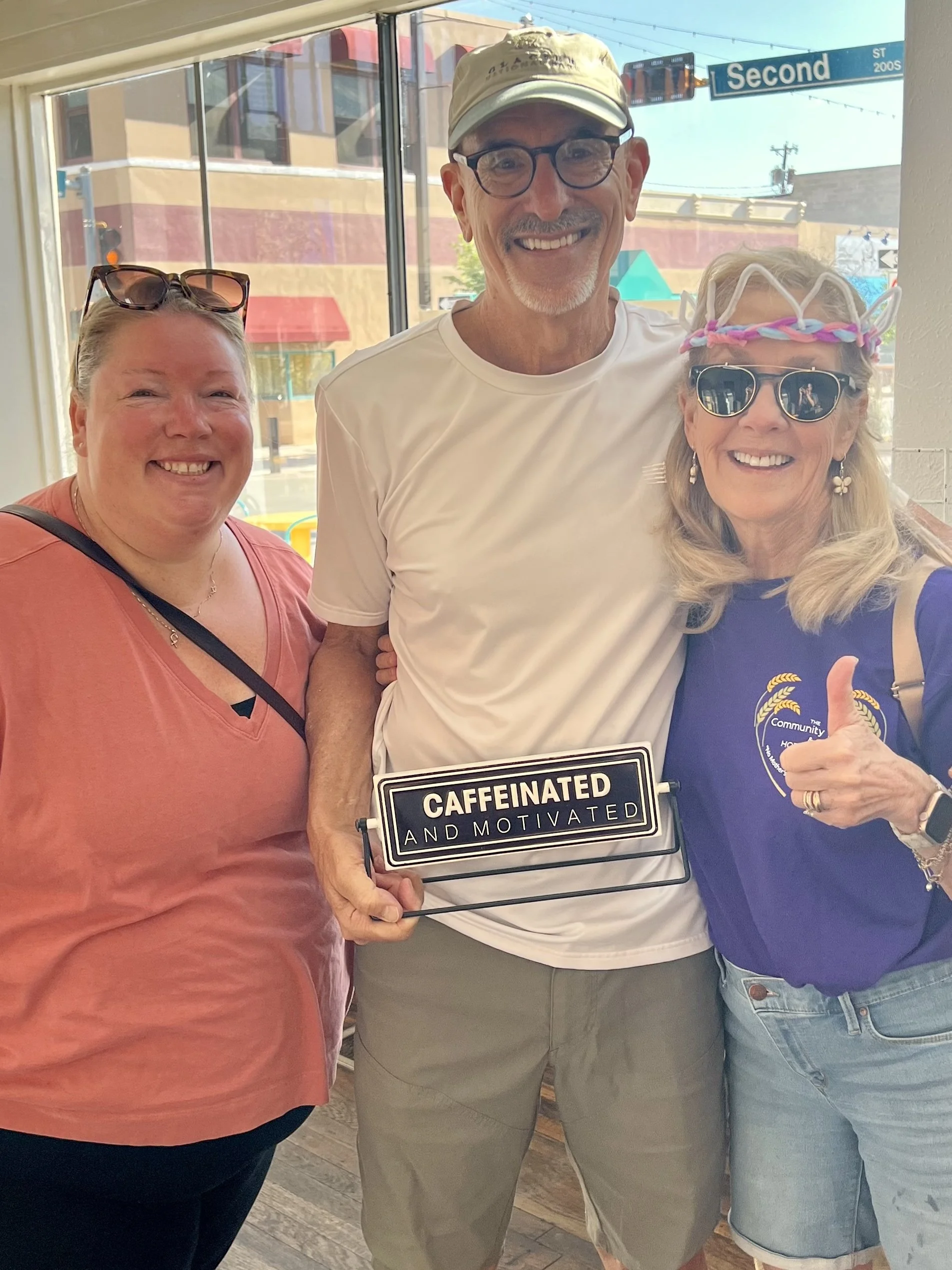
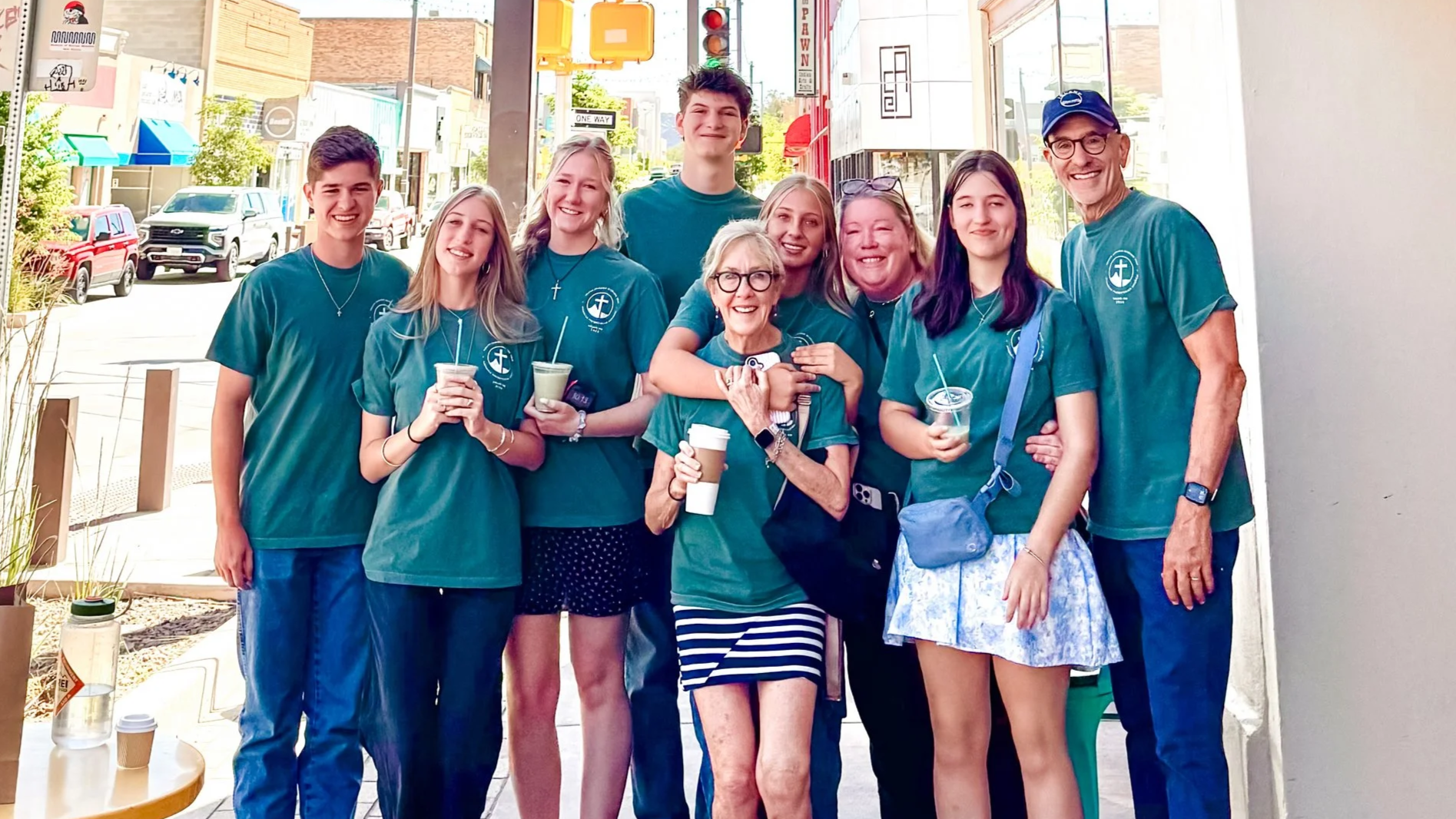
On the morning of June 17, nine of us gathered in Fellowship Hall. Duffle bags were strategically packed into the vans, parents hugged their students goodbye, Pastor Erik prayed over our group, and then we were on our way. For the next eight days, our high school students and leaders would serve alongside the staff of The Community Pantry in Gallup, New Mexico, while staying at Rehoboth Christian School in nearby Rehoboth.
Our purpose was simple: to serve, to learn, and to build relationships.
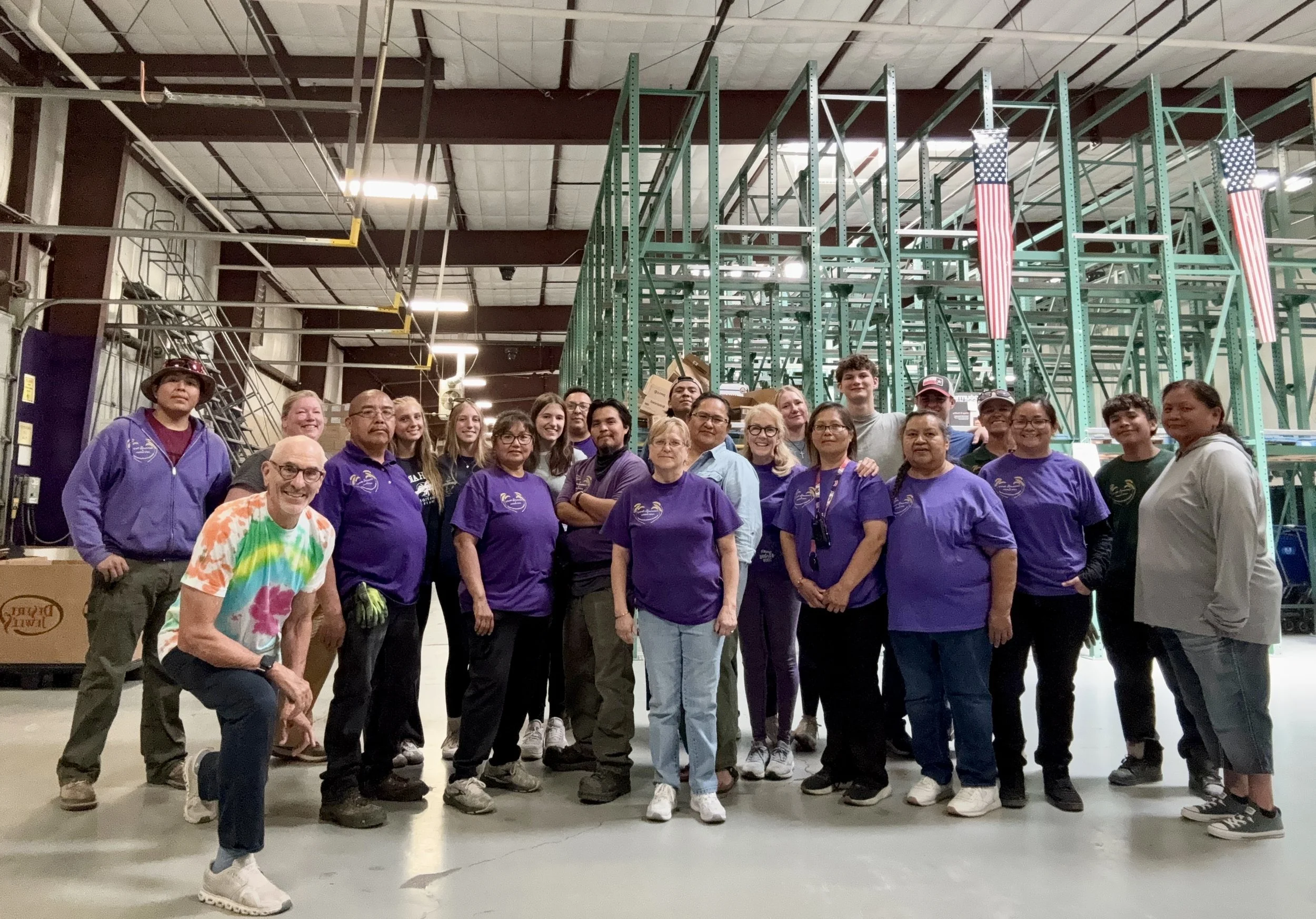
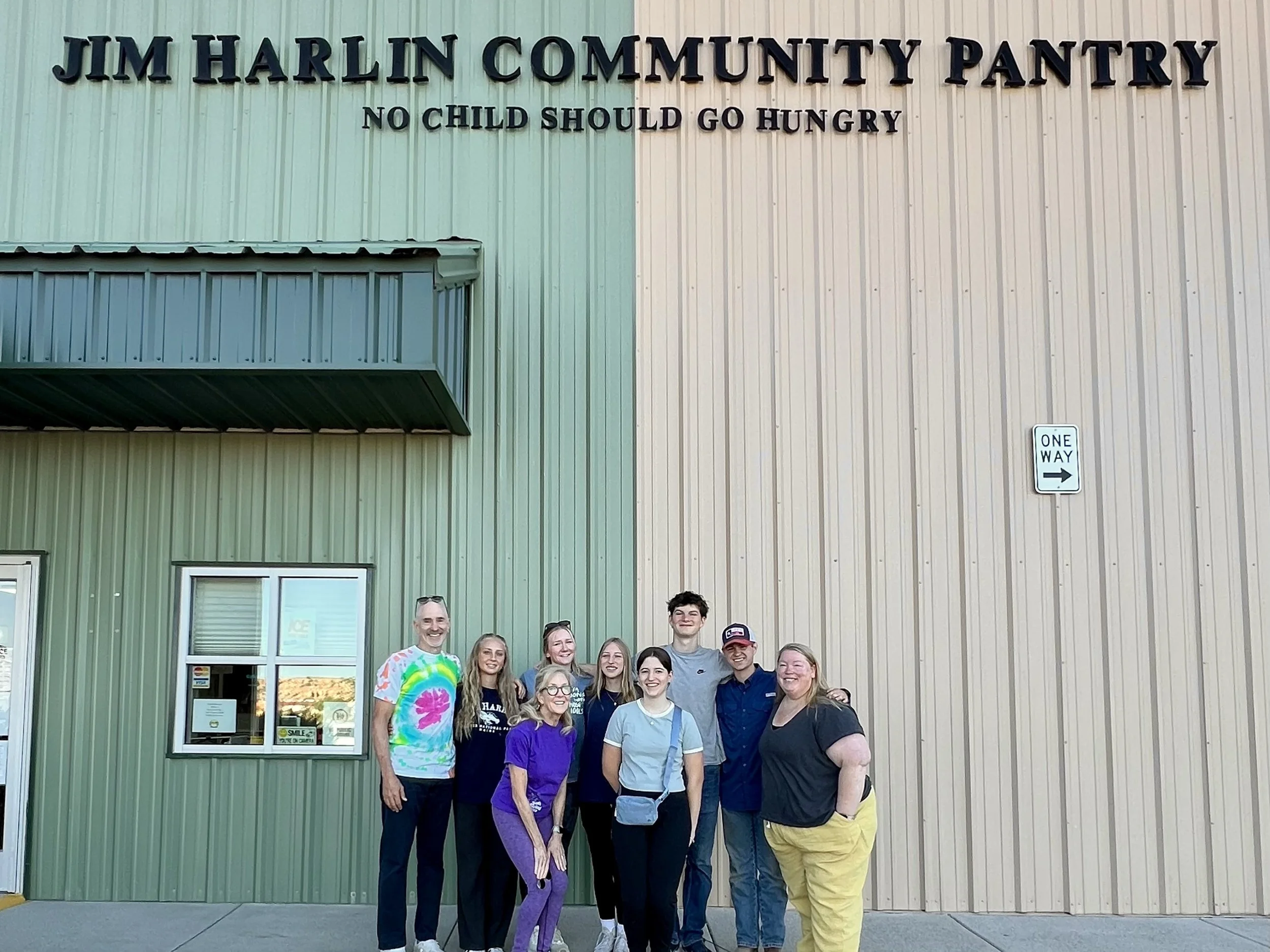
The Community Pantry is much more than a food pantry. With a staff of just ten people, it serves communities across northwestern New Mexico by providing food, diapers, resources, and support to children, families, Native Americans, veterans, seniors, individuals experiencing homelessness, and anyone facing food insecurity. Along the way, they partner with schools and teachers, social workers and state representatives, farmers and community leaders, master gardeners and anyone willing to help. Every part of their work is thoughtful, resourceful, and deeply rooted in relationships.
It doesn't take long to realize that The Community Pantry feels more like a family than an organization. During our first day, Hilda, the Chief Operating Officer, gave us a tour of their facilities. During the tour, she effortlessly rattled off statistics—quotas, quantities, costs, supports, sizes, amounts, pounds—but every number came paired with a story about a real person or family, humanizing the numbers. As we traveled through Gallup, when people heard we were working at The Community Pantry, the response was almost always the same: "Tell Hilda I said hello." It quickly became clear that the pantry's impact reaches far beyond its walls.
Much of our week was spent in two places: the warehouse and the Hope Garden.
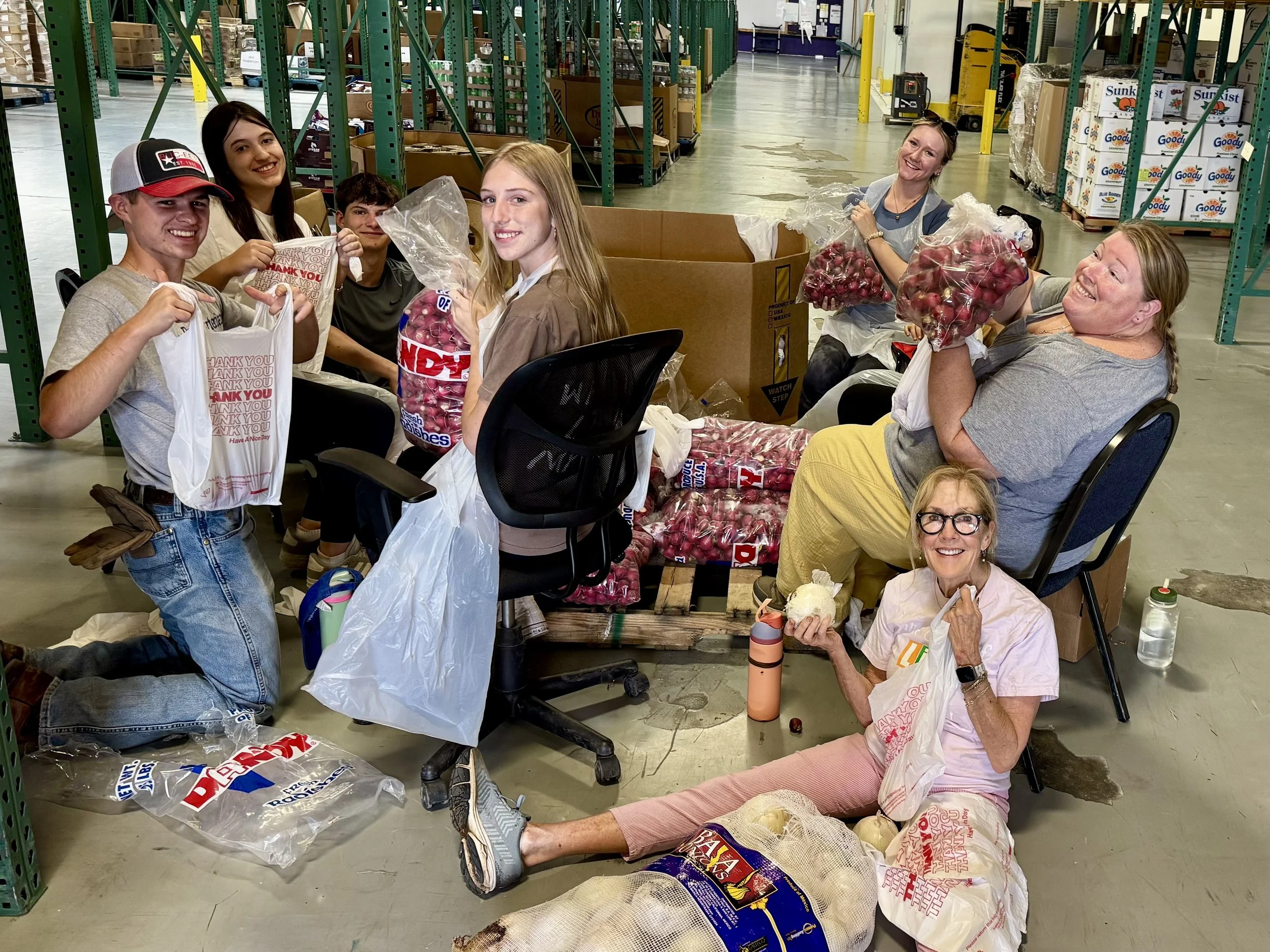
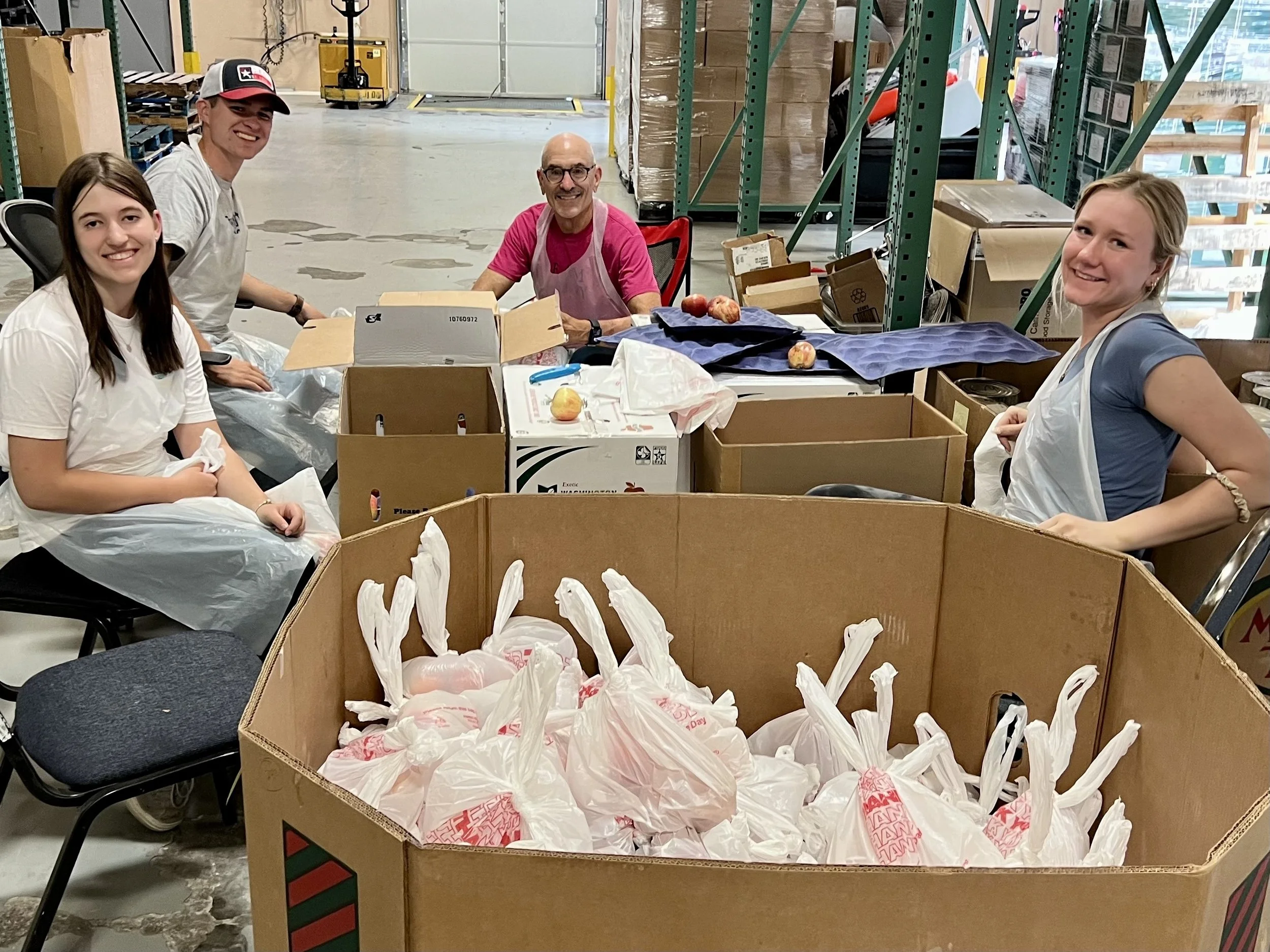
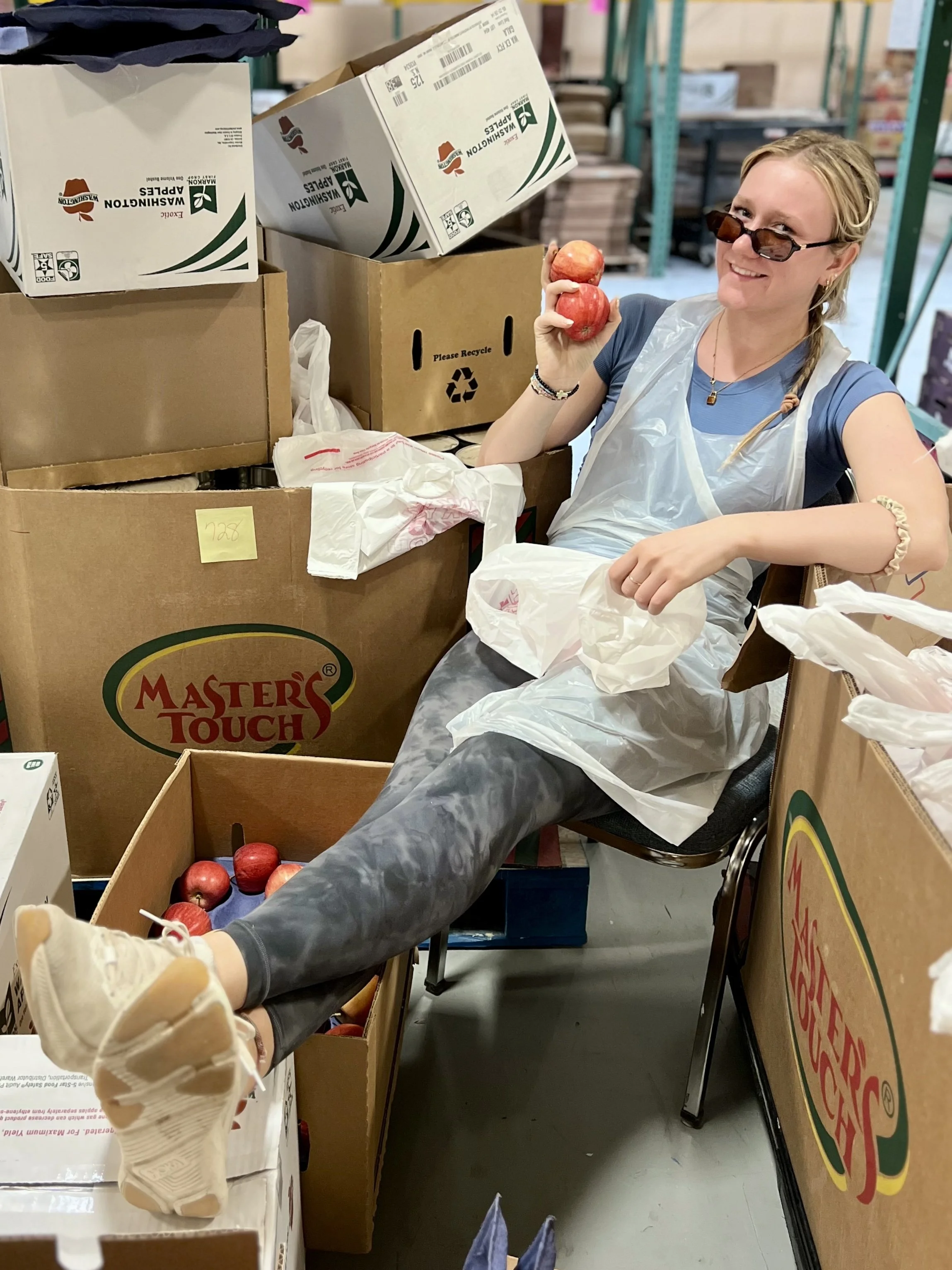
Every day, truckloads of "seconds" arrived from farms—produce that grocery stores reject because it is too large, too small, oddly shaped, or not quite ripe enough for retail shelves. Cucumbers that grew too big, wonky potatoes, imperfect radishes, bruised apples, under-ripened mangos, and a surplus of bok choy all found a second chance. We sorted thousands of pounds of fruits and vegetables into family-sized bags for distribution to local families. Produce that could no longer be eaten wasn't thrown away; it was composted and returned to the Hope Garden. Nothing went to waste.
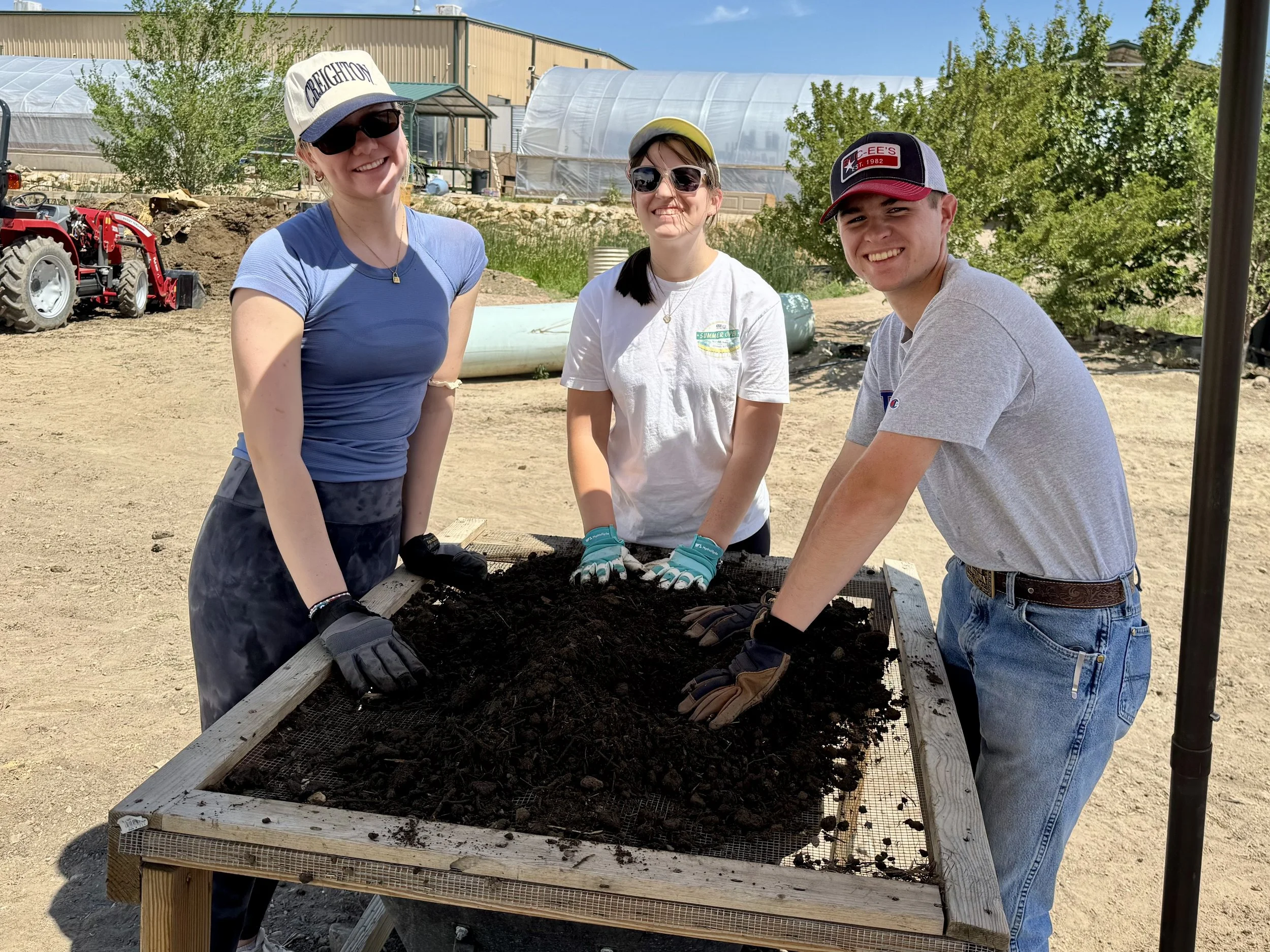
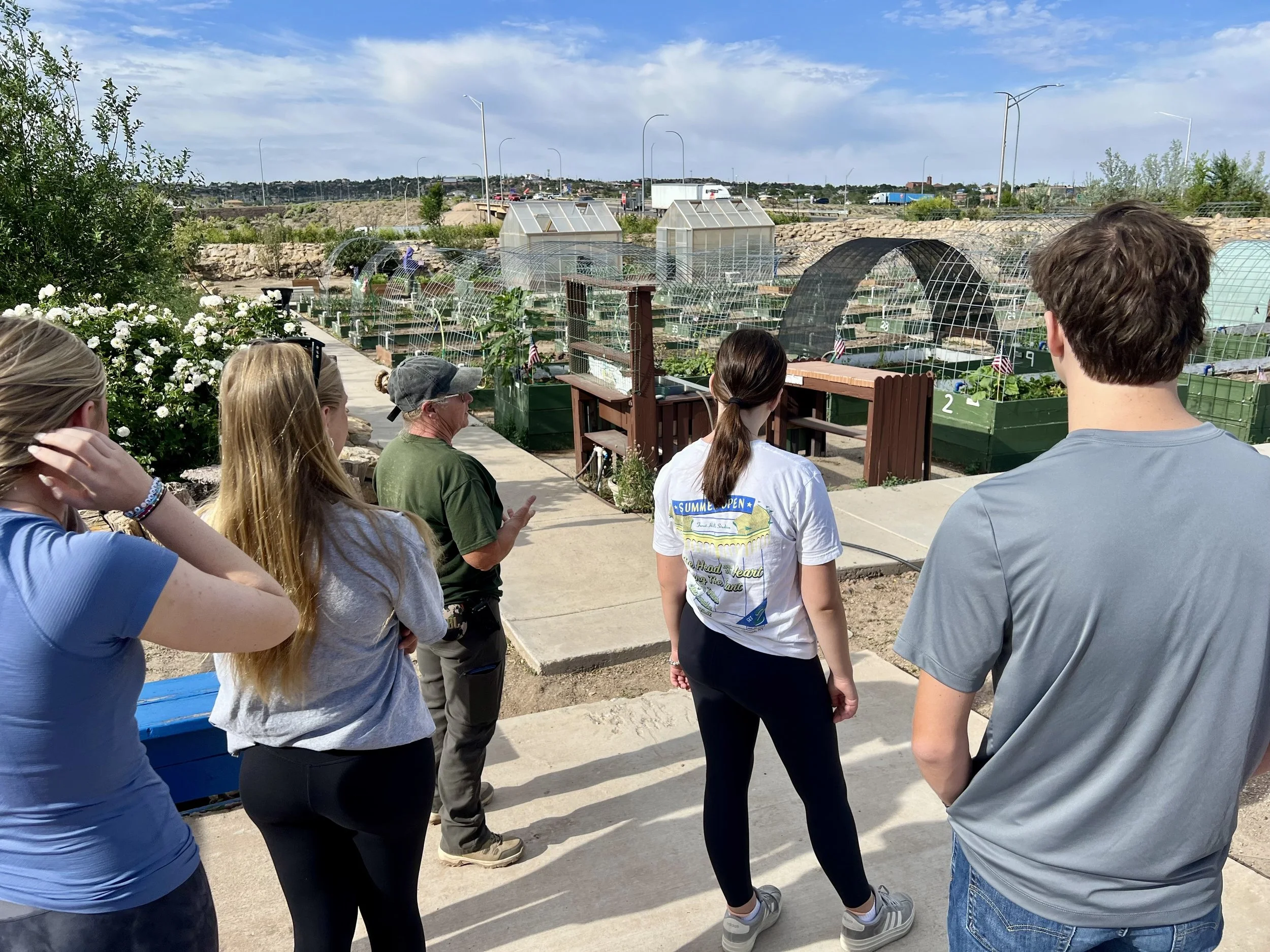
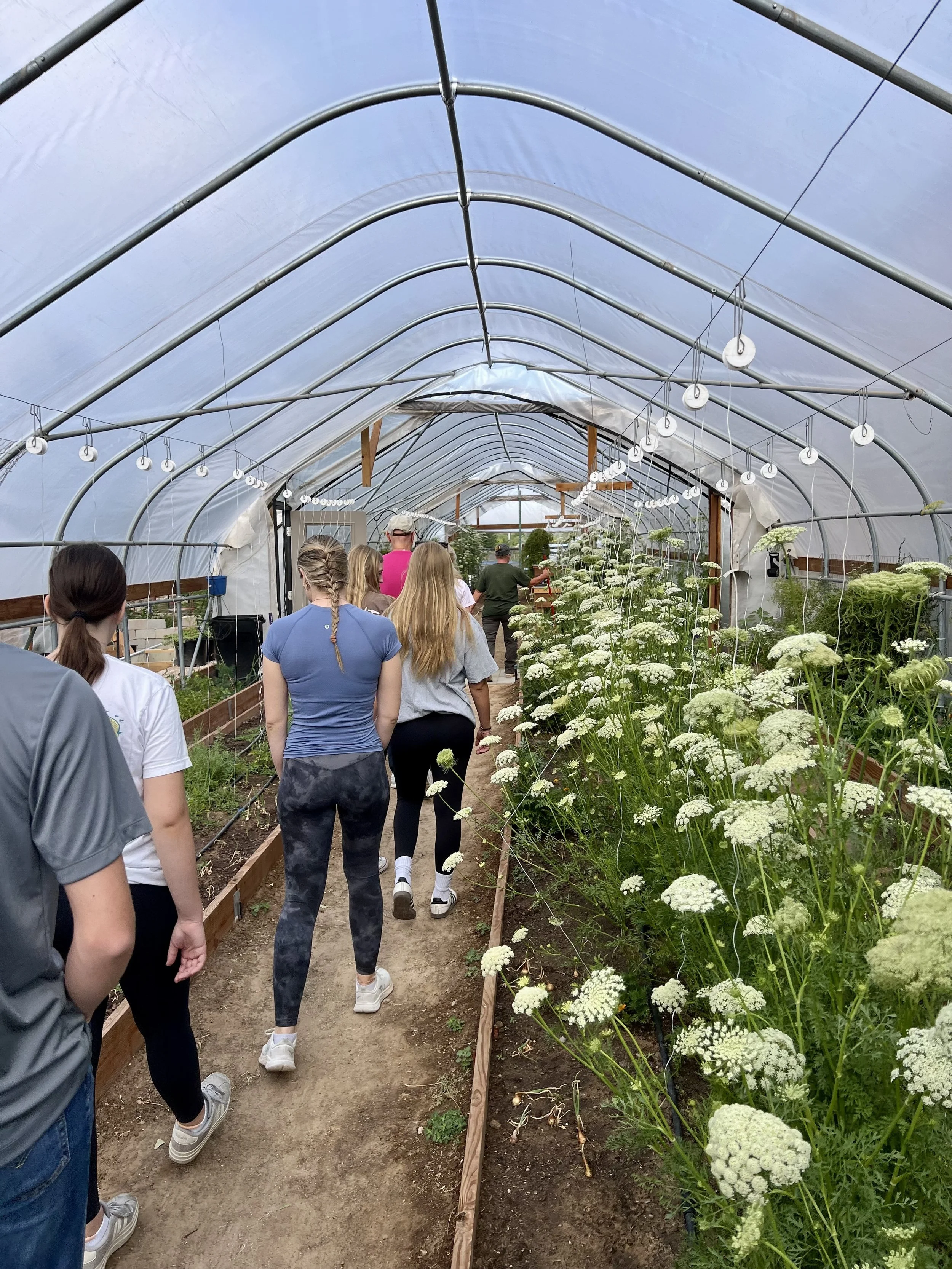
The Hope Garden is a small oasis surrounding the pantry, complete with raised garden beds, an orchard of fruit trees, greenhouses, and beehives. Much of our work there involved turning enormous compost piles to prepare rich soil for future planting. The garden provides fresh produce, seeds, and educational opportunities for local families while creating a sustainable cycle: food scraps become compost, compost nourishes the gardens, bees pollinate the crops, and the harvest feeds the community. Every part of the system reflects careful stewardship of God's abundance.
Yet the logistics only tell part of the story. They don’t capture the spirit of the Community Pantry.
Throughout the week, we heard stories that revealed both the challenges and the resilience of the larger Gallup community. We learned about teachers who make sure their students have enough to eat over the weekend. We heard devastating stories of how the COVID-19 pandemic decimated the community. Schools became hospitals, hotels became recovery centers, refrigerated trucks became temporary morgues, and entire families were lost. We learned that when a semi-truck overturns on the interstate, pantry staff rush to salvage whatever food can safely be redistributed rather than letting it go to waste. (One overturned Baskin-Robbins truck even led to ice cream parties at local schools.) We heard stories of improving maternal and infant health through expanded nutrition programs, caring for homeless encampments destroyed by storms, and countless other moments where compassion met practical need.
The Community Pantry is not simply about feeding people. It is about strengthening an entire community.
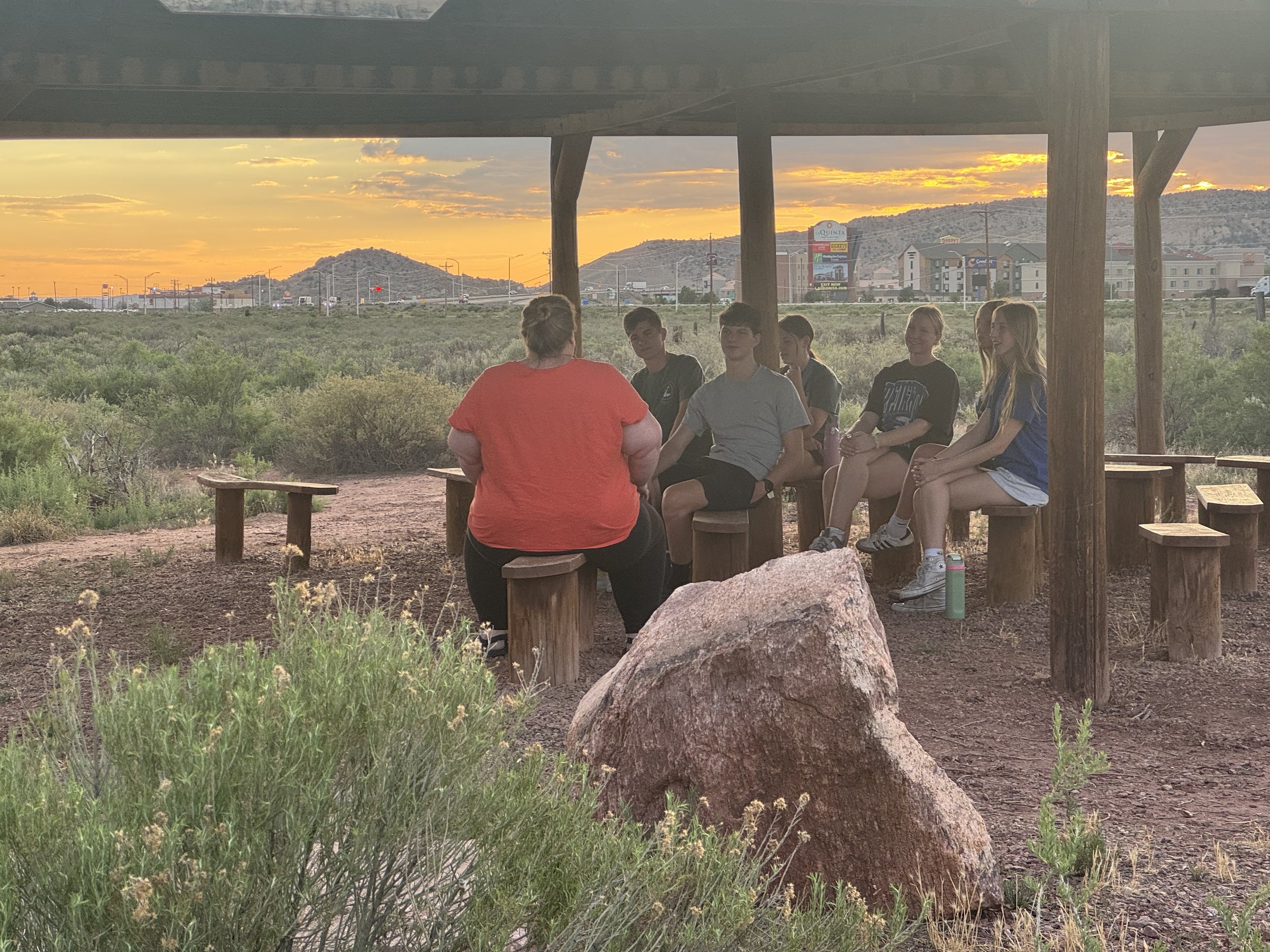
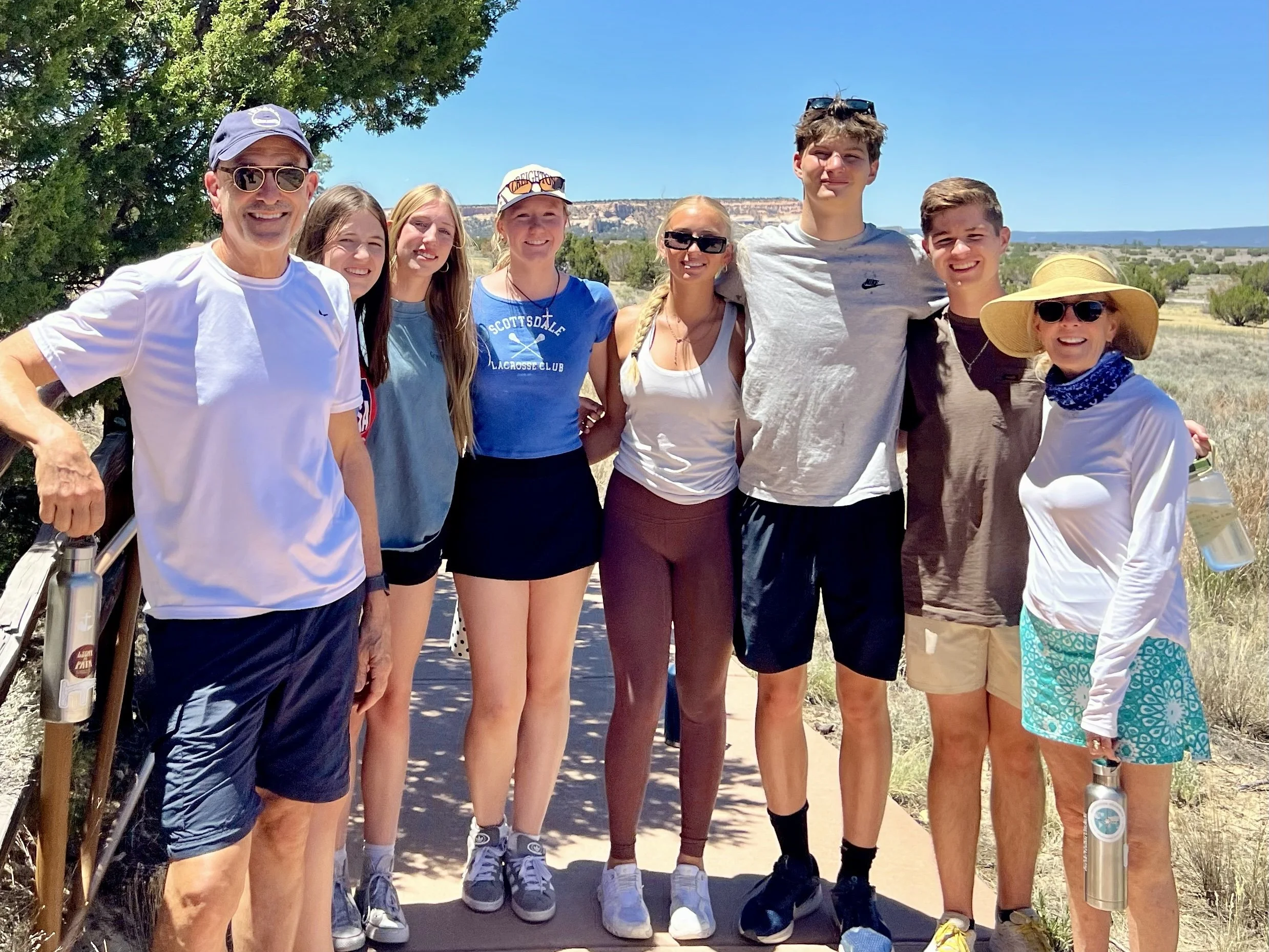
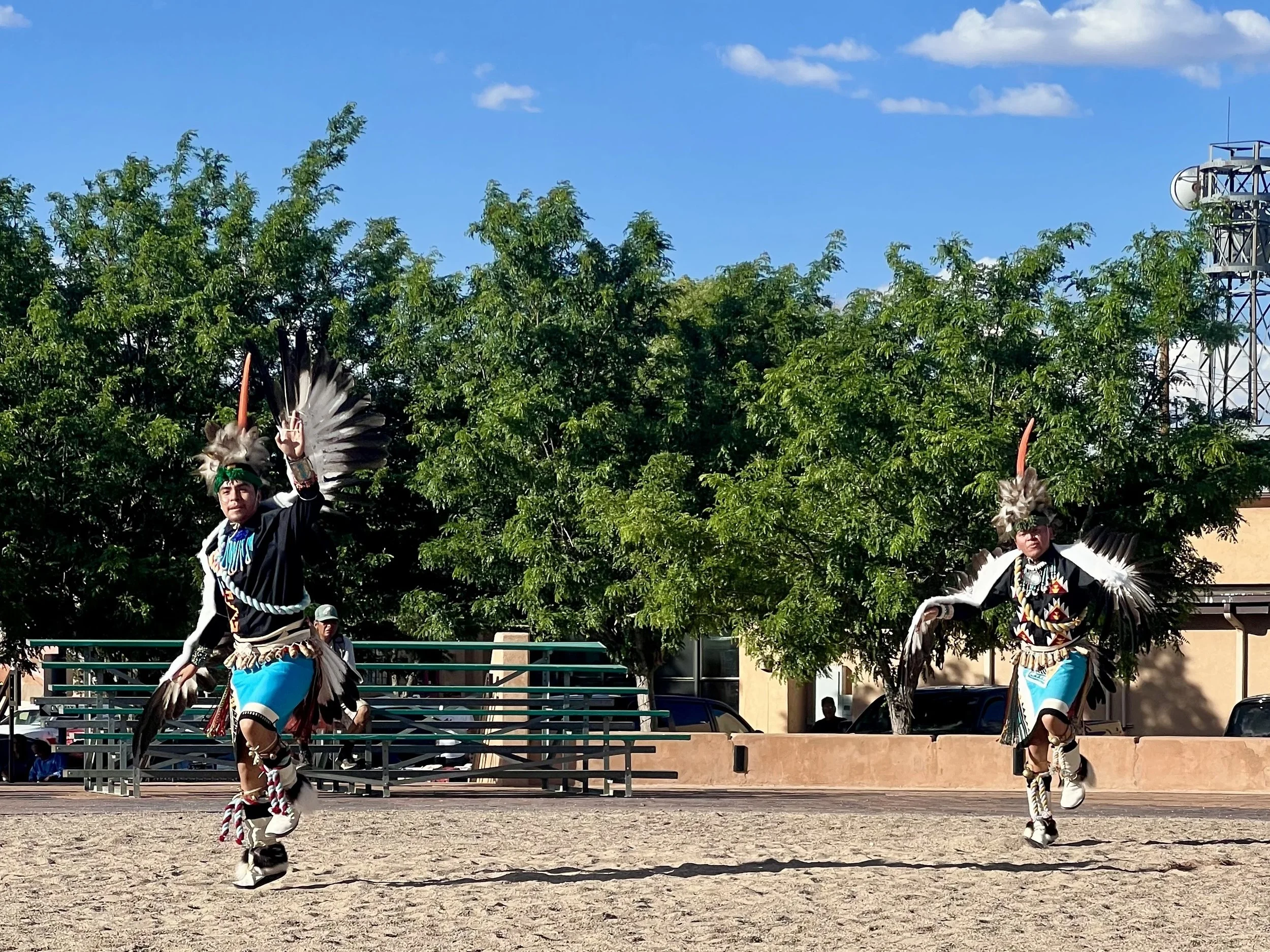
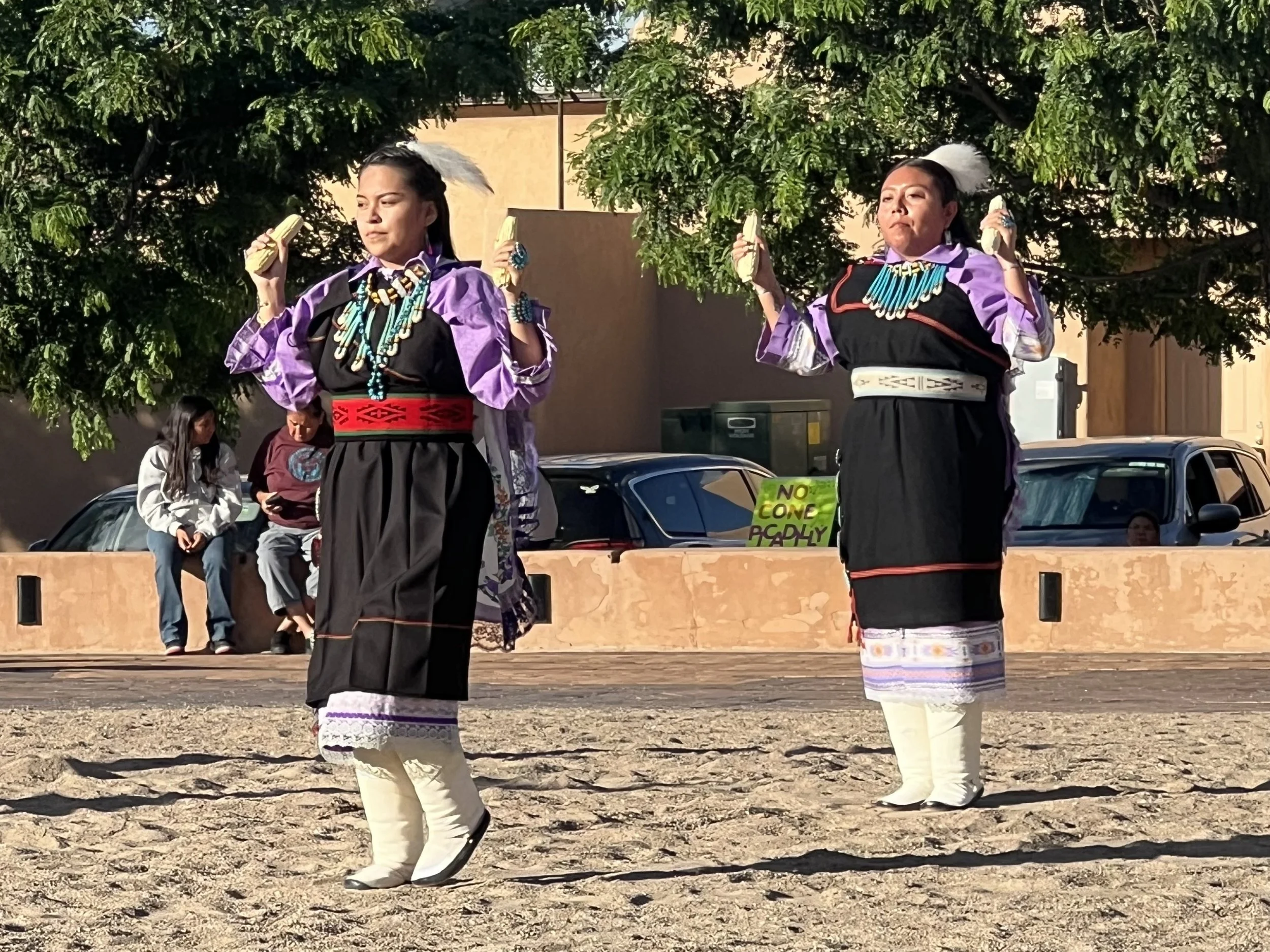
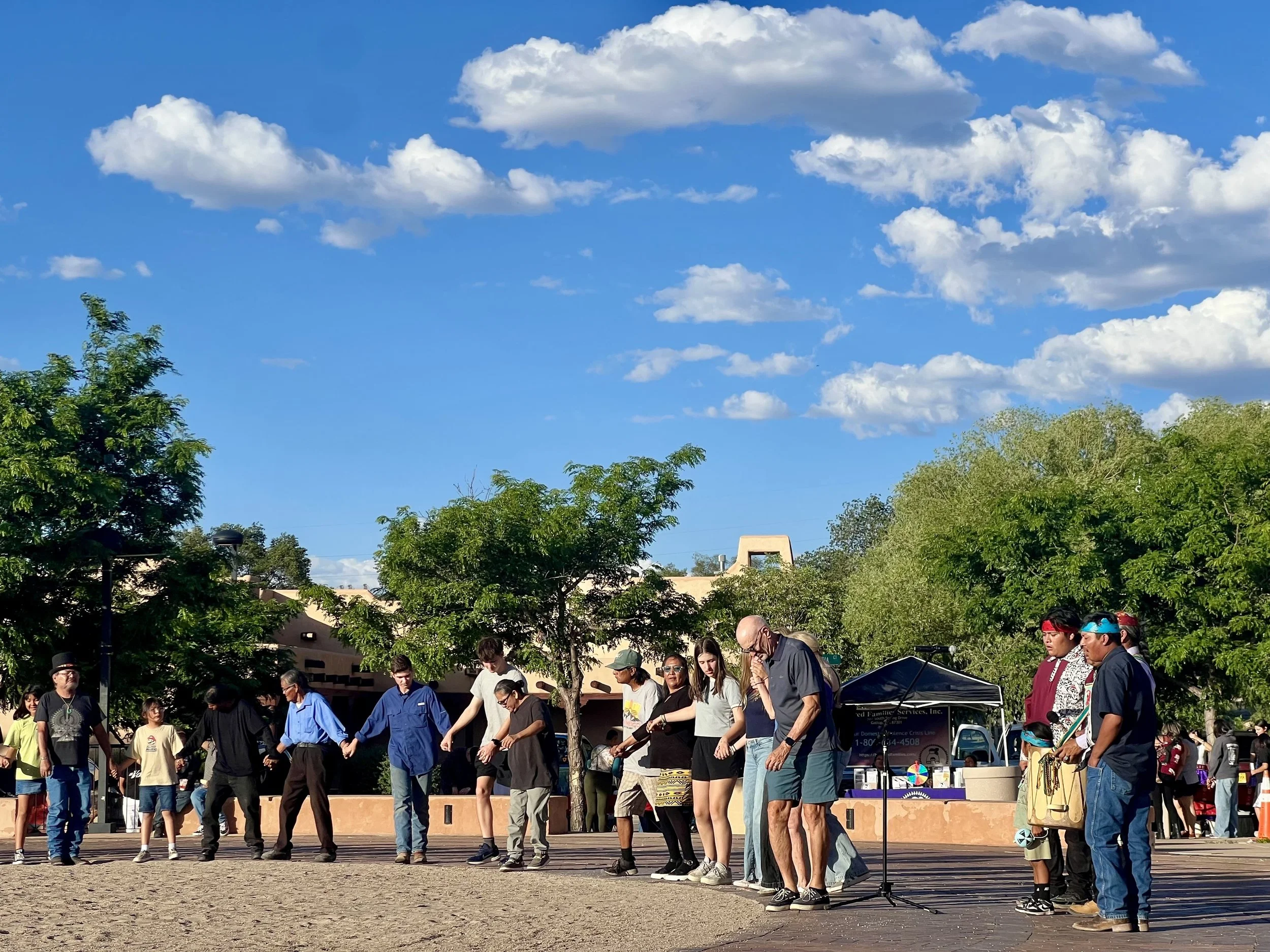
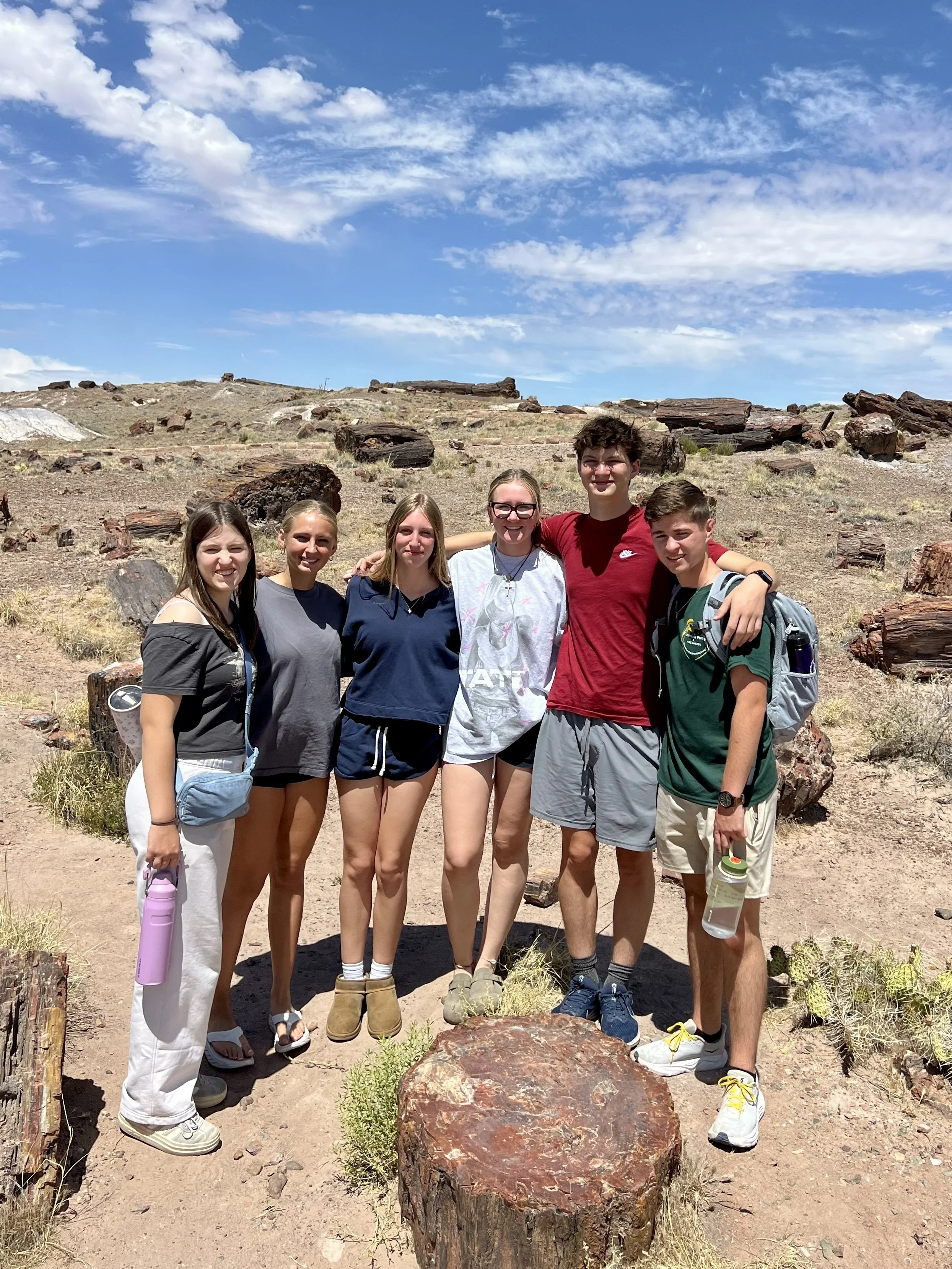
Outside of our work hours, we intentionally immersed ourselves in the culture and history of the region. Gallup sits at the crossroads of many Native American tribal lands, including the Navajo, Zuni, Apache, Acoma, and Laguna pueblo people. We wandered through the Gallup Flea Market, where local artisans and families shared traditional foods, jewelry, artwork, and handmade crafts. We attended a rodeo—the hottest ticket in town—and came face to face with the complicated relationship between Native Americans, the government, and a community that sends a disproportionately large number of young people into military service. We visited the Navajo Code Talkers Museum and reflected on the remarkable contributions of the Code Talkers during World War II. At El Morro National Monument, we explored centuries of history preserved in inscriptions left by pueblo peoples, Spanish explorers, and American travelers. We even attended a traditional Zuni dance and were invited to join in the dance.
These experiences reminded us that mission trips are about much more than completing projects. They are opportunities to listen, to learn, and to understand the histories and systems that shape a community. Gallup is rich in culture, resilience, and tradition, while also facing significant barriers to resources and opportunity. There are no simple solutions. But as Christians, we can love and serve our neighbors while learning of ways we can advocate for their enrichment.
Our relationship with The Community Pantry and Rehoboth Christian School is only beginning. We hope this first trip marks the start of a long partnership as we continue learning from and supporting the incredible work they are doing. We returned home on June 24, tired, inspired, and deeply grateful for a community that welcomed us with such extraordinary generosity and hospitality.
Resources
The Community Pantry: https://thecommunitypantry.org/
Rehoboth Christian School: https://www.rcsnm.org/
Code Talker video made by RCS Middle Schoolers: https://youtu.be/FiKwcs6Z50U?si=sIWK4UHU9tzsXbc-
El Morro: https://www.nps.gov/elmo/index.htm