A Hidden Treasure: The Red Book in Your Pew (Part 1)
Wednesday, March 18, 2026
written by Ilona Kubiaczyk-Adler
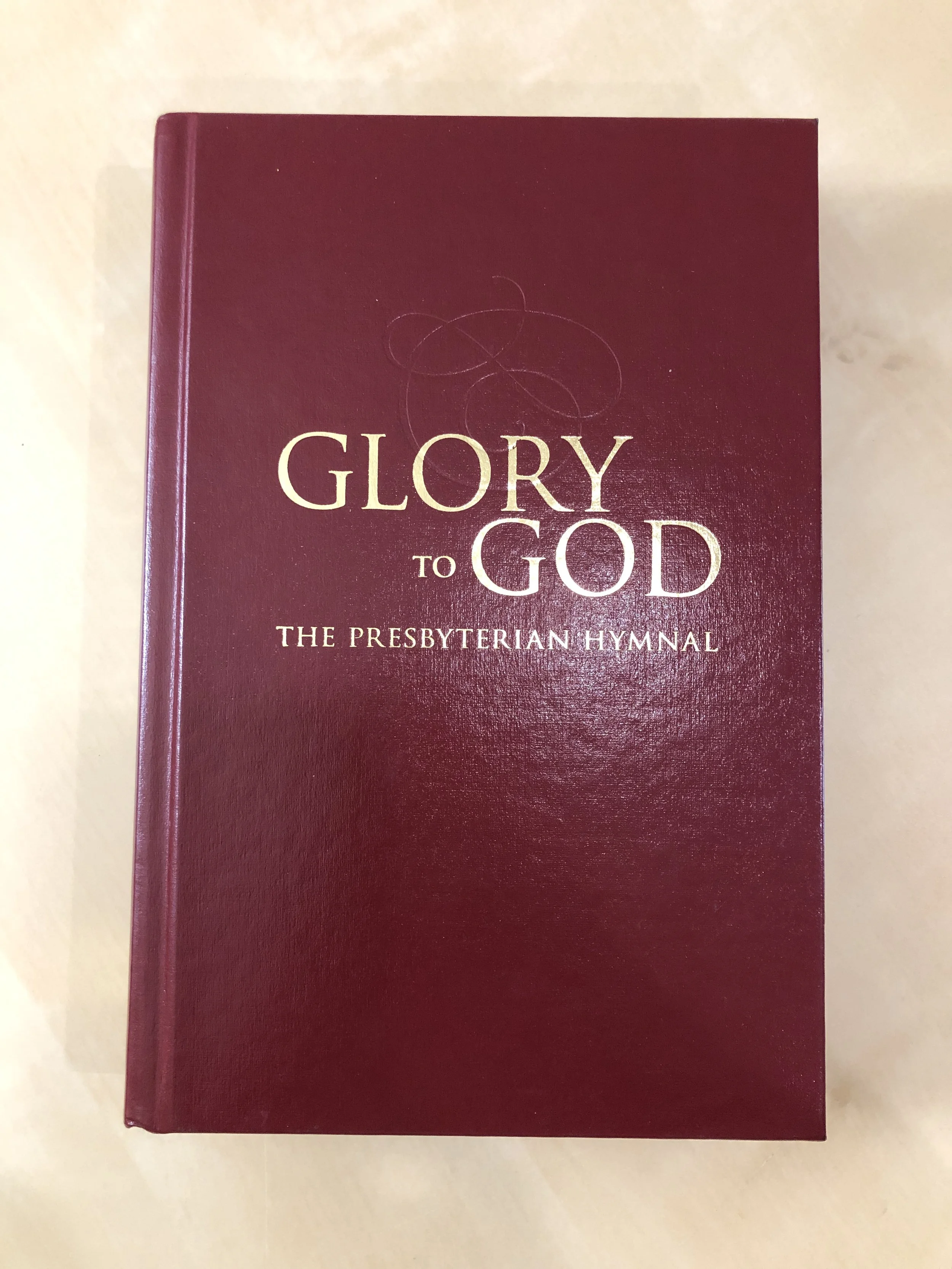
There is a book in your church pew rack that most people never really open.
They find the right page when the bulletin tells them to, sing what they know, and slide it back. Week after week, year after year. Which is a little like keeping a library of world-class poetry in your living room and only ever reading the one page someone marked with a sticky note.
The Glory to God hymnal — the red book in Presbyterian pews across the country — contains 853 hymns. That number alone should give you pause. 853 hymns, representing centuries of Christian prayer, poetry, and song from every corner of the world. And most of us have a nodding acquaintance with only a fraction of them.
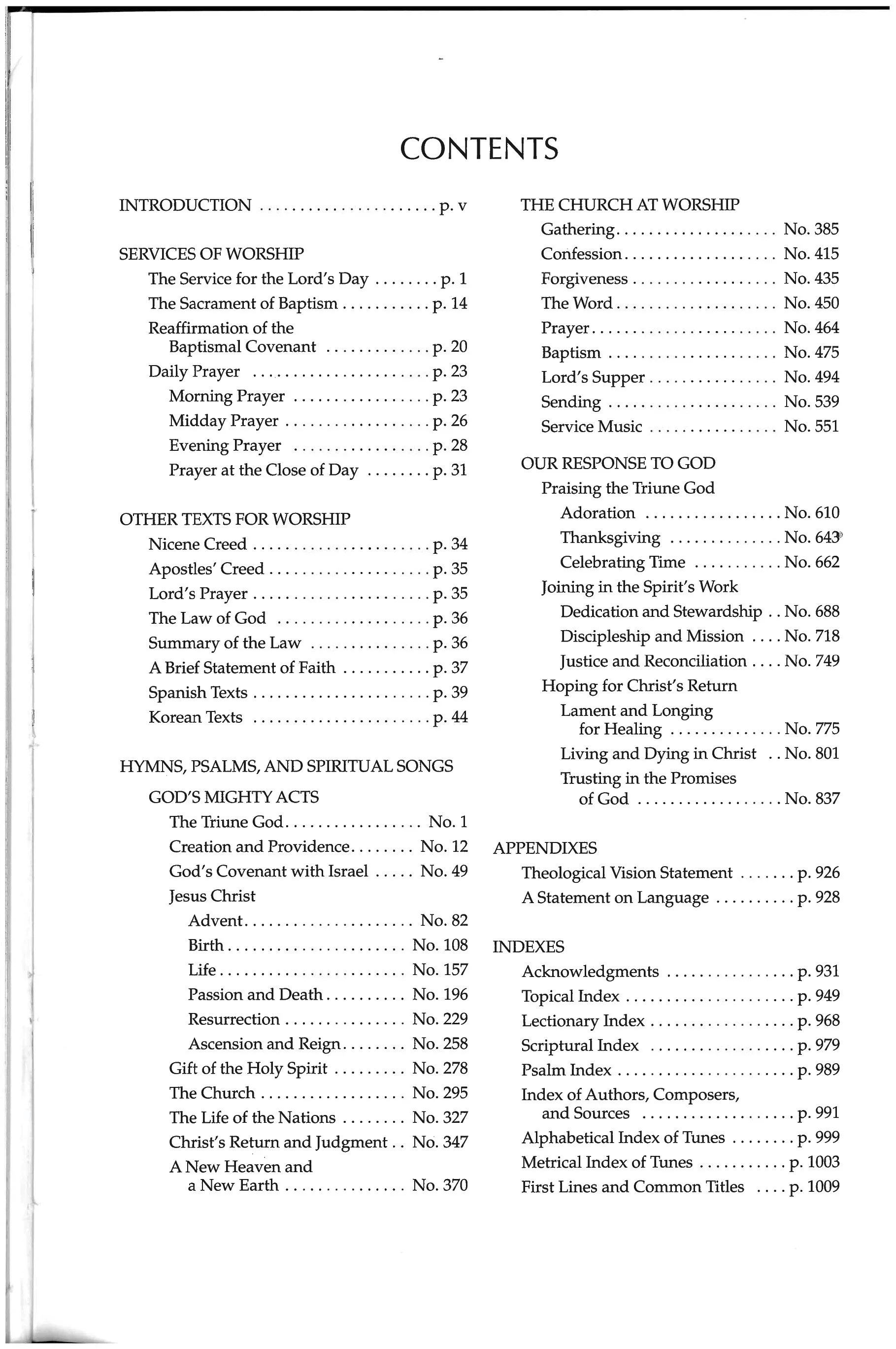
Here is the first thing worth knowing: this book is not organized the way you might expect. It doesn't go alphabetically, the way a reference book would. It opens with complete orders of worship — including morning, midday, evening, and night prayer — and then moves through the hymns themselves in a theological arc: from the majesty and character of God, through the life of Christ from Advent to Ascension, through Pentecost and the life of the church, the order of Sunday worship, and finally into the textures of Christian life: thanksgiving, celebration, stewardship, discipleship, mission, justice, grief, and healing. (see the Contents page below)
That organization is not accidental. It reflects a conviction that the church's singing should move with the rhythm of the sacred calendar, that our songs should carry us through the whole arc of faith — not just the comfortable parts.
Which brings us to the second thing worth knowing: this is a prayer book.
And not just metaphorically. The daily prayers offered at the front of the hymnal — Morning Prayer, Midday Prayer, Evening Prayer, Prayer at the Close of Day — are a complete framework for praying through every part of the day, every day of the week. Most people walk right past them on the way to the hymns. They are worth stopping for.
The great hymn writers — Charles Wesley, Isaac Watts, John Newton, Fanny Crosby, and hundreds of others across the centuries — were praying when they wrote. Their hymns are poems addressed to God, refined by generations of use until every word carries weight. Read a stanza slowly, without music, without hurrying to the next line, and you will find yourself doing something that feels very much like prayer — even if you didn't intend to.
Pick the hymnal up on a hard night. Turn to the sections on grief, on lament, on trusting in the promises of God. You may find that someone who died three centuries ago found exactly the words you couldn't.
That is what this series is about. Over the next few posts, we are going to open this book up together — the indexes, the strange codes and titles at the bottom of each hymn, the surprising history behind the tunes, and the remarkable variety of voices gathered between its covers. By the end, I hope you'll want a copy at home.
Not for Sunday. For every day.
Next time: the secret tools hiding in the back of the book — and how they can help you find exactly the hymn you need, even when you don't know its name.