
Haiti Facts & Information
Area: 10,714 square miles, about the size of Maryland
Capital: Port-au-Prince
Population:
Haiti: Approximately 12 million
Port-au-Prince (metro area): Approximately 3 million
Terrain: Rugged mountains with small coastal plains and river valleys, and a large east-central elevated plateau
Climate: Warm, semiarid, high humidity in many coastal areas
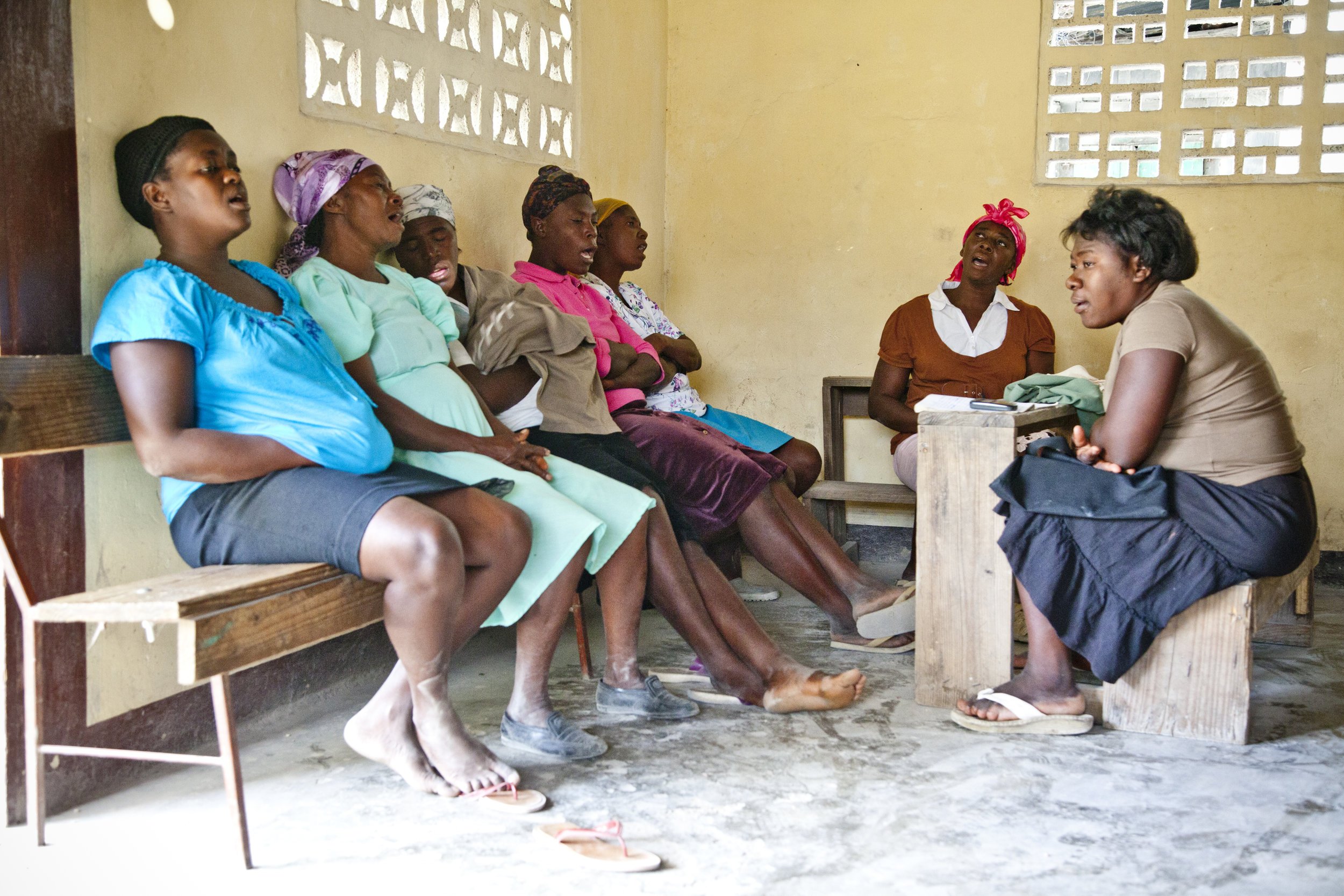
The People: Haiti’s population is concentrated most heavily in urban areas, coastal plains and valleys. About 95 percent of Haitians are of African descent. Approximately half of the population lives in rural areas.
French is one of two official languages, but is spoken fluently by only about 10 percent of the people. Most Haitians speak Creole, the country’s other official language. English and Spanish are increasingly used as second languages among the young and in the business sector.
The dominant religion is Roman Catholicism. Increasing numbers of Haitians have converted to Protestantism through the work of missionaries active throughout the country. Much of the population also practices voudou (voodoo), recognized by the government as a religion in April 2003. Haitians tend to see no conflict in these African-rooted beliefs coexisting with Christian faith.
Access to quality education remains a key obstacle to Haiti’s social and economic development. Although public education is supposed to be free, the cost is still high for Haitian families who must pay for uniforms, textbooks, supplies and other inputs. Due to weak state provision of education services, private and parochial schools account for over 80% of primary schools, and only 65% of primary school-aged children are actually enrolled. At the secondary level, the figure drops to around 20%. Surveys indicate that approximately 35% of Haitian youth are unable to read, and the average Haitian child spends less than four years in school. Though Haitians place a high value on education, few can afford the costs. The government has promised to make free and universal education a priority, but has fallen short on its plan to improve curricula, train teachers, set standards and increase enrollments.
Source: U.S. Department of State “Background Note: Haiti” and USAID Program Fact Sheets.
Historical Notes:
Haiti, located on the island of Hispaniola in the Caribbean, has a rich and complex history shaped by colonization, revolution, and resilience. Before European contact, the island was inhabited by the Taíno people, who lived by farming and fishing. In 1492, Christopher Columbus arrived, claiming the island for Spain. Over time, the western part of the island came under French control and was named Saint-Domingue.
By the 1700s, Saint-Domingue had become one of the wealthiest colonies in the world due to its production of sugar and coffee. This wealth, however, depended on the brutal labor of enslaved Africans, who made up the vast majority of the population. Harsh conditions led to frequent resistance, and in 1791, a major slave revolt began. Leaders like Toussaint Louverture helped organize the revolution, which eventually grew into a full-scale fight for freedom.
After years of conflict involving France, Spain, and Britain, the revolution succeeded. In 1804, Haiti declared independence, becoming the first independent Black republic and the first nation in the world to abolish slavery permanently. This was a groundbreaking moment in world history, but it came with challenges. Many countries, especially slaveholding nations, isolated Haiti economically and politically.
Throughout the 19th century, Haiti struggled with political instability, frequent changes in leadership, and economic hardship. In 1915, the United States occupied Haiti, staying until 1934. While the occupation brought some infrastructure improvements, it also caused resentment among Haitians.
In the last decade, Haiti's political and social situation has become especially unstable. After years of weak governance and disputed elections, tensions increased following the presidency of Jovenel Moise, who was assassinated in 2021. Since then, the country has lacked stable leadership, and government authority has weakened significantly. Armed gangs have gained control over large parts of the capital, Port-au-Prince, and other regions, leading to widespread violence, kidnappings, and shortages of food, fuel, and medical supplies. Many people have been displaced from their homes, and basic services have broken down in some areas. International organizations have warned of a humanitarian crisis, and foreign governments generally advise against travel due to the high risk of violence and lack of reliable security. For most travelers today, visiting Haiti is considered extremely dangerous.
Despite these challenges, Haiti remains a nation with a strong cultural identity, known for its art, music, and deep sense of history. Its story is one of struggle and perseverance, and its revolutionary past continues to inspire people around the world.