
Light After Darkness
Wednesday, July 22, 2026
written by Rev. Dr. Michael Hegeman
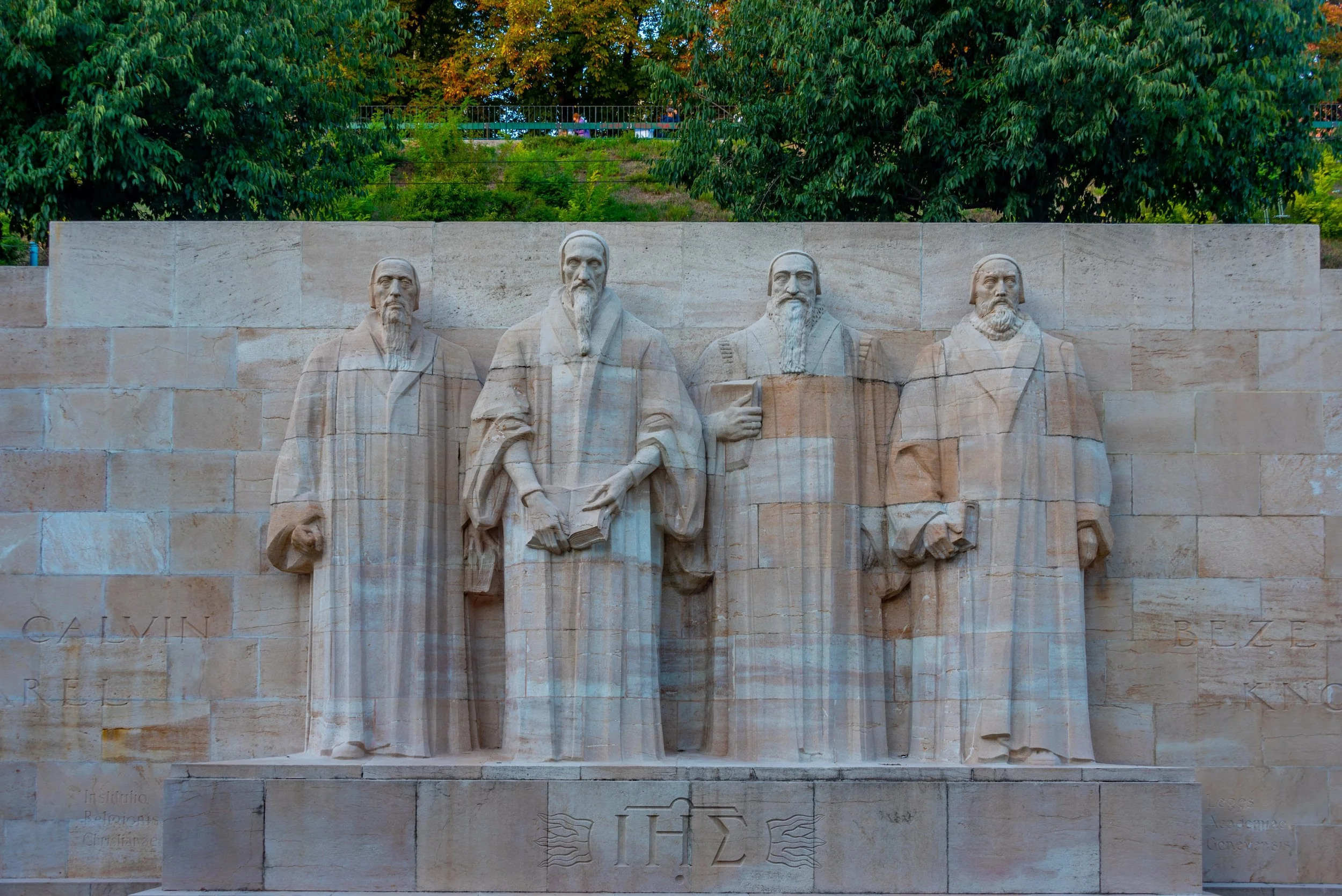
By the time this blog posts, I will be in Geneva, Switzerland, learning about the role this city played in the Reformation. This is what I learned ahead of time searching the internet:
Geneva served as the intellectual and strategic epicenter of the Protestant Reformation, frequently dubbed the "Protestant Rome.” Under the leadership of John Calvin, the city became an international hub that trained missionaries, sheltered persecuted reformers, and developed a systematic theology that shaped churches worldwide.
It was referred to as the "Protestant Rome" after formally adopting the Reformation in 1536. Geneva severed ties with the Catholic Duke of Savoy and became an independent Protestant republic. Under the theological guidance of French reformer John Calvin, the city developed a coherent, scriptural foundation for Christian belief and practice. Geneva quickly became a safe haven for Protestants fleeing persecution across Europe—most notably the French Huguenots, but also refugees from England, Scotland, the Netherlands, and Spain. These displaced scholars and clergy absorbed Genevan doctrines before returning to their home countries to spread the movement. John Knox, the Scottish reformer, spent years in Geneva, eventually helping to found the Presbyterian Church in Scotland based on the Genevan model.
At Geneva, John Calvin organized the church using a revolutionary model that balanced clergy, elders, and deacons, which became the blueprint for all Reformed and Presbyterian churches globally. This was supplemented by widespread publishing of tracts, commentaries, and foundational texts like Calvin's Institutes of the Christian Religion.
In 1559, Calvin founded the Academy of Geneva (which later became the University of Geneva) to educate future pastors and leaders. This institution acted as a "theological cradle," training thousands of students to serve a global mission field. From Geneva, hundreds of secretly trained pastors were smuggled back into places like France to organize underground congregations.
Calvin encouraged the city of Geneva to adopt a biblical motto to reflect the new path they had taken. From the Book of Job, in Latin, Calvin drew the words Post Tenebras Lux, which translates as “After Darkness, Light!” to signify spiritual enlightenment overcoming the perceived darkness of ignorance and medieval Catholic church doctrine.
Scholars in Geneva produced the Geneva Bible, which became the most widely read English version of the Bible prior to the King James Version. It was the first English translation to use numbered verses and include extensive study notes and maps. The Pilgrims exclusively used the Geneva Bible when they sailed on the Mayflower and established the Plymouth Colony. Published in 1560, it was the first English translation made entirely from original Hebrew and Greek languages, featuring study notes, verse numbers, and maps. The Pilgrims preferred the Geneva Bible over the newly published King James Version (1611) because it was untainted by the political and ecclesiastical influence of the English monarchy. Its Calvinist marginal notes aligned perfectly with their Puritan theology. It is sometimes called the "Breeches Bible" due to its translation of Genesis 3:7, which states Adam and Eve made themselves "breeches" (pants) out of fig leaves.
When I return from this trip, studying the Reformation, I will be offering a class starting August 30 on the revolutionary aspects of the reformers. This class will take place Sunday mornings at 9:00 in the Chapel Library.
Save the date! In October of 2027 Pinnacle Church will be offering a Reformation Pilgrimage. Look to our Fall 2026 Program Brochure for more information.